

October 21, 2025
RIEL took part in the VIII Business & Legal Real Estate Forum, organised by Legal Practice Publishing House in partnership with the Association of Corporate Counsel Ukraine, joining the initiative to create an open dialogue platform between business and the state.
Our goal is to jointly develop effective mechanisms of cooperation that will help address the systemic issues of the development market and ensure the sustainable growth of the industry.
The first discussion panel of the forum focused on real estate development and the country’s reconstruction, bringing together representatives of government, business, and the legal community.
RIEL CEO Rostyslav Melnyk shared his vision of the key challenges for the construction industry in 2025 and discussed ways to make the market more predictable and resilient to crises.
‘Most developers today are finishing their projects based on contracts signed before the war, and we’re no exception. We’ve launched several new projects this year, but the market has changed dramatically. Now it’s not just about construction — it’s about creating real opportunities for people to purchase homes,’ said Rostyslav Melnyk.
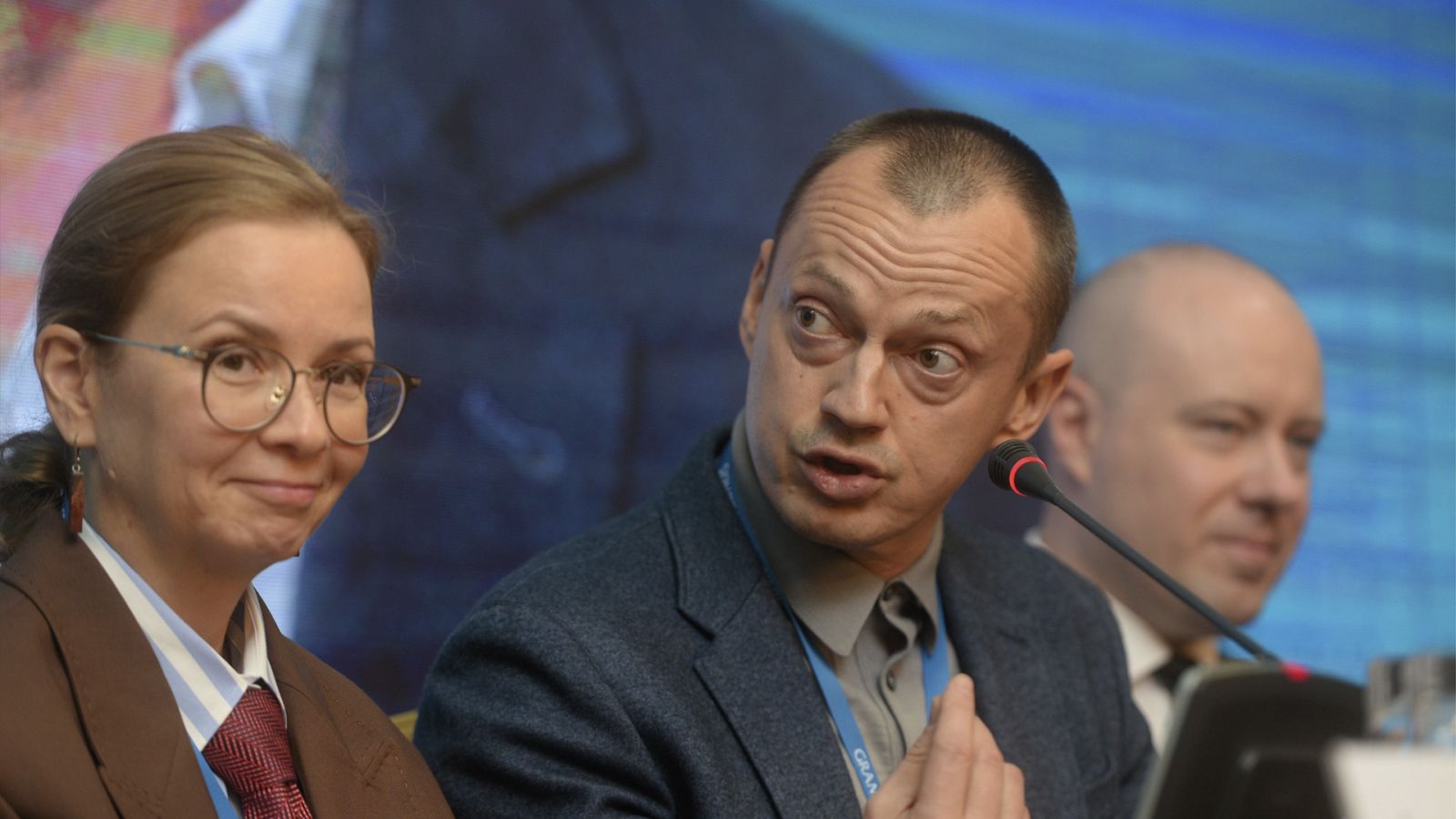
Rostyslav Melnyk noted that expanding mortgage programmes, the rental market, and rent-to-own initiatives should become key drivers of Ukraine’s post-war recovery.
‘There’s an enormous need for modern apartments,’ he emphasised. ‘Internally displaced people, the outdated housing stock, and young families who now have the income to pay a 15-20-year mortgage — these are our future homeowners. What we need are real mechanisms that make this choice achievable.’
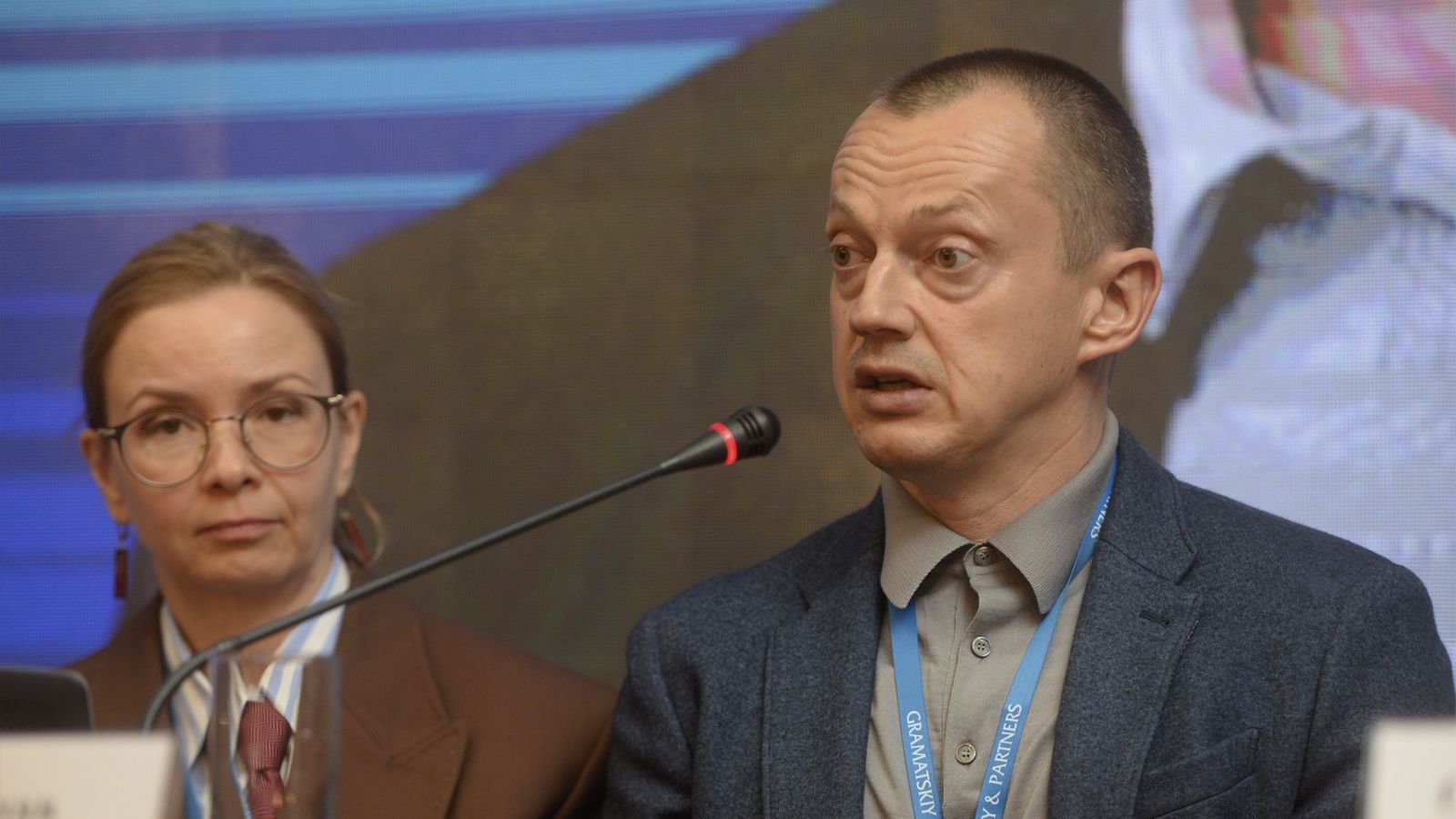
Separately, RIEL CEO Rostyslav Melnyk drew attention to the challenges of interaction between business and state authorities, particularly due to numerous inspections and criminal proceedings — even in cases where agreements have been fulfilled in good faith. He also emphasised the importance of establishing equal conditions for all businesses in dealings with the state, in order to reduce excessive bureaucracy and risks, and to introduce clear, transparent rules for the market.
Summing up, Rostyslav Melnyk expressed hope for the implementation of an effective financial framework for the real estate sector and for legislative alignment on land use designations, to prevent price increases and housing shortages.
‘If we don’t start generating new land resources now, by 2027 we will face a housing shortage and prices comparable to those in Warsaw — but for Soviet-era apartments,’ he warned. ‘We need to start addressing this today.’
Among the speakers was Olena Shuliak, Head of the Parliamentary Committee on State Organisation and Urban Development, who underlined the importance of updating the legal framework and digitalizing construction processes.
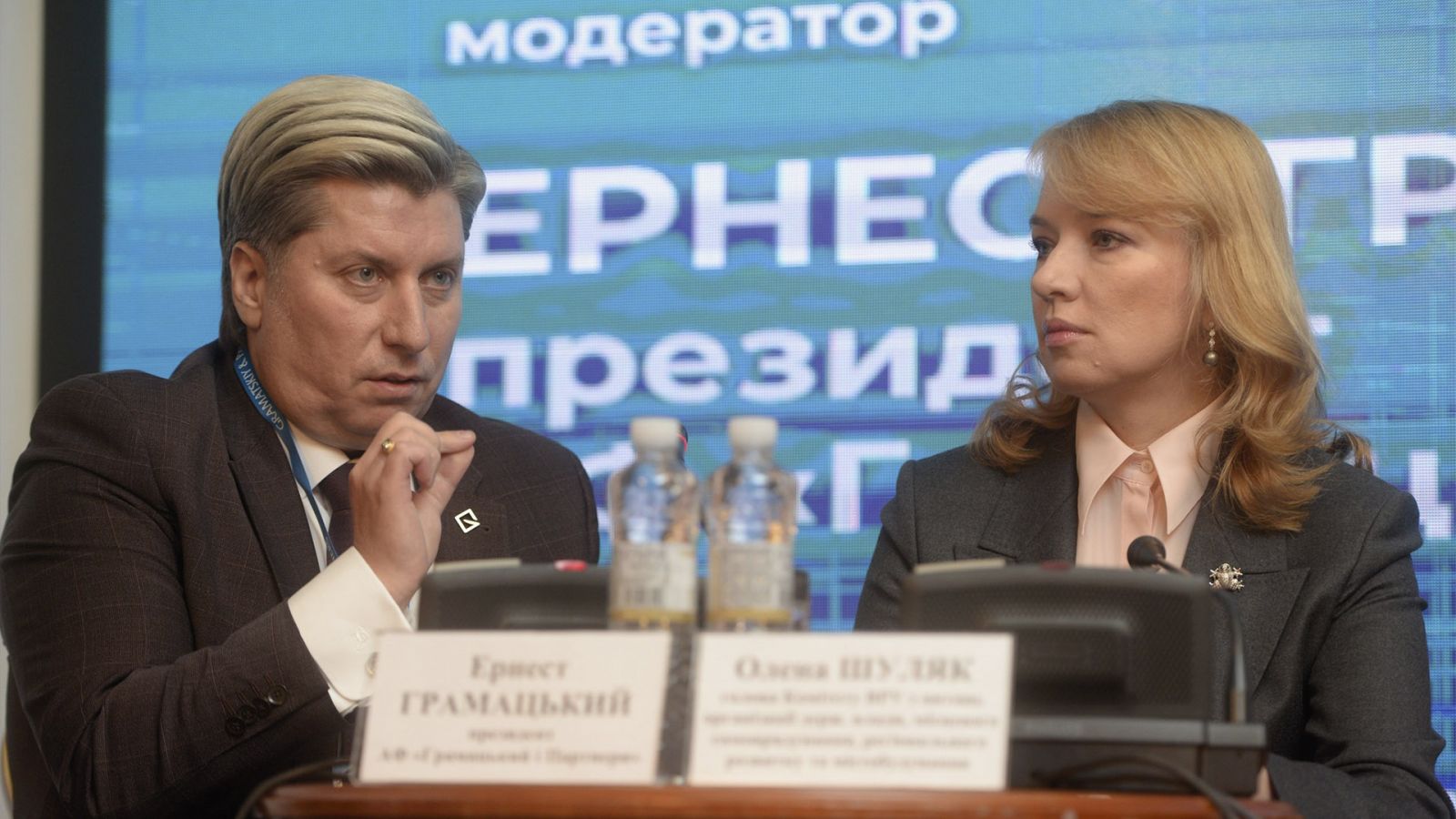
She focused in detail on regulatory challenges, emphasising the need for modern urban planning documentation. Only seven communities in Ukraine have approved spatial development plans, while more than 140 are still in preparation. According to Olena Shuliak, the lack of such documentation remains one of the main sources of corruption risks in the sector. She also underlined the role of the State Inspectorate for Architecture and Urban Planning as an institution capable of ensuring compliance with regulations and countering abuses by local authorities.
Her remarks were complemented by Ihor Nikonov, founder of KAN Development, who supported the idea of coordinating the efforts of all branches of government — including tax authorities, law enforcement agencies, and the prosecutor’s office — to avoid artificial barriers for business. According to him, the current fight against corruption often turns into bureaucratic obstacles and process blockages, which paralyze business activity.
He noted that even companies that operate honestly and without delays face risks and legal claims arising from legislative inconsistencies and unregulated procedures — such as those related to net assets or tax payments — which can ultimately lead to bankruptcy.
Thus, the Business & Legal Real Estate Forum became a platform where the state and business worked together to find solutions for rebuilding the construction industry and identified the key priority — partnership instead of confrontation.

RIEL consistently supports this approach, as we believe that only through cooperation and shared responsibility between both parties can the conditions for sustainable market development and a decent quality of life for Ukrainians be created.


