

January 23, 2026
The concept of studio apartments still raises many questions—are they suitable for everyday life, how comfortable are they for daily living, and how do they differ from traditional apartments? In this article by ZAXID.NET, these stereotypes are examined using the example of our conceptual project, the Big Ben residential complex—designed for an active urban lifestyle.
The apartments in the Big Ben residential complex are in no way inferior to traditional apartments in terms of amenities and functionality. These are fully-fledged living spaces featuring kitchens, living rooms, large windows, ample natural light, and modern utility systems. The difference between these apartments and a standard apartment is primarily legal in nature, while in daily life, residents live in a format typical of urban housing—they customize the space to their liking and use all the complex’s amenities. Here, life revolves around real-life daily routines: work, leisure, sports, socializing, and personal time—without compromising on comfort or location.
Our residential complex is designed so that most basic needs are met without unnecessary travel around the city: coworking spaces for work, gyms, an open-air cinema, a kindergarten, green areas, and a promenade for relaxation. An underground parking garage with charging stations for electric vehicles, storage areas for bicycles and strollers, and a service lobby with a concierge complete the vision of a comfortable urban environment.
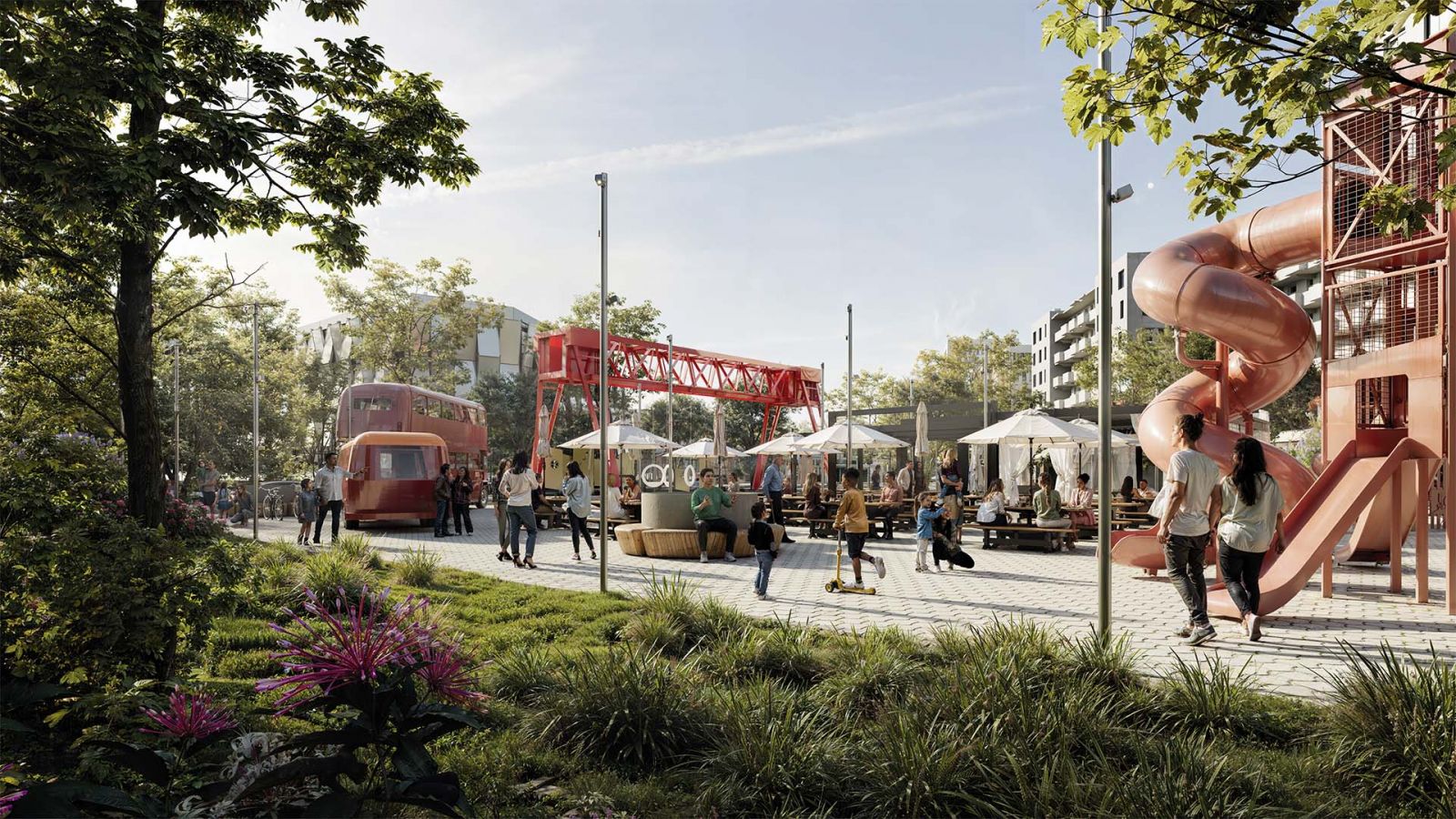
Engineering solutions incorporated as early as the design phase play a key role in ensuring daily comfort. Energy-efficient heating, ventilation, and lighting systems, as well as the ability to generate some of one’s own electricity, help optimize actual utility costs. This is not about a formal difference in rates, but about reducing actual resource consumption in the long term.
The issue of registering one’s place of residence in the apartments is gradually being regulated at the legislative level. Ukraine has already adopted the Law “On the Basic Principles of Housing Policy,” and the process of updating subordinate legislation to regulate this mechanism in practice is ongoing. It is expected that the option to register one’s residence in an apartment will become available approximately by the time the first phase of Big Ben is commissioned.
As for nationwide tax incentives for apartments, none are currently provided for, and tax conditions are determined at the local level. If the premises are used to generate income, tax is levied on the entire apartment area—approximately 7.20 UAH per m² per month, which amounts to roughly 2,500–3,000 UAH per year for a one-bedroom apartment.
And most importantly, Big Ben is rooted in the idea of urban hedonism—an approach where the city becomes a source of comfort, freedom, and opportunity. It is a living space for people who value an active lifestyle, amenities, location, and a balance between work, leisure, and personal time. Big Ben shapes a modern format of urban life, adapted to the real needs of today.


