


RIEL took part in the Investment and Construction Congress (ICC) 2026 in Kyiv at the Parkovy Exhibition Centre, which brought together over 6,000 participants – developers, investors, government officials and representatives of the property market.
For the developer, participation in the congress provided an opportunity to stay in step with the market and discuss how the very logic of development is changing. During the event, RIEL founder Rostyslav Melnyk took part in a panel discussion on new profitability models. According to him, the classic model, focused solely on selling square metres, is losing its effectiveness.

‘Today, the market is no longer about square metres – it’s about values. A developer cannot simply build, sell and walk away from a project. It is the service and the environment that shape a developer’s reputation and influence future projects,’ he noted.
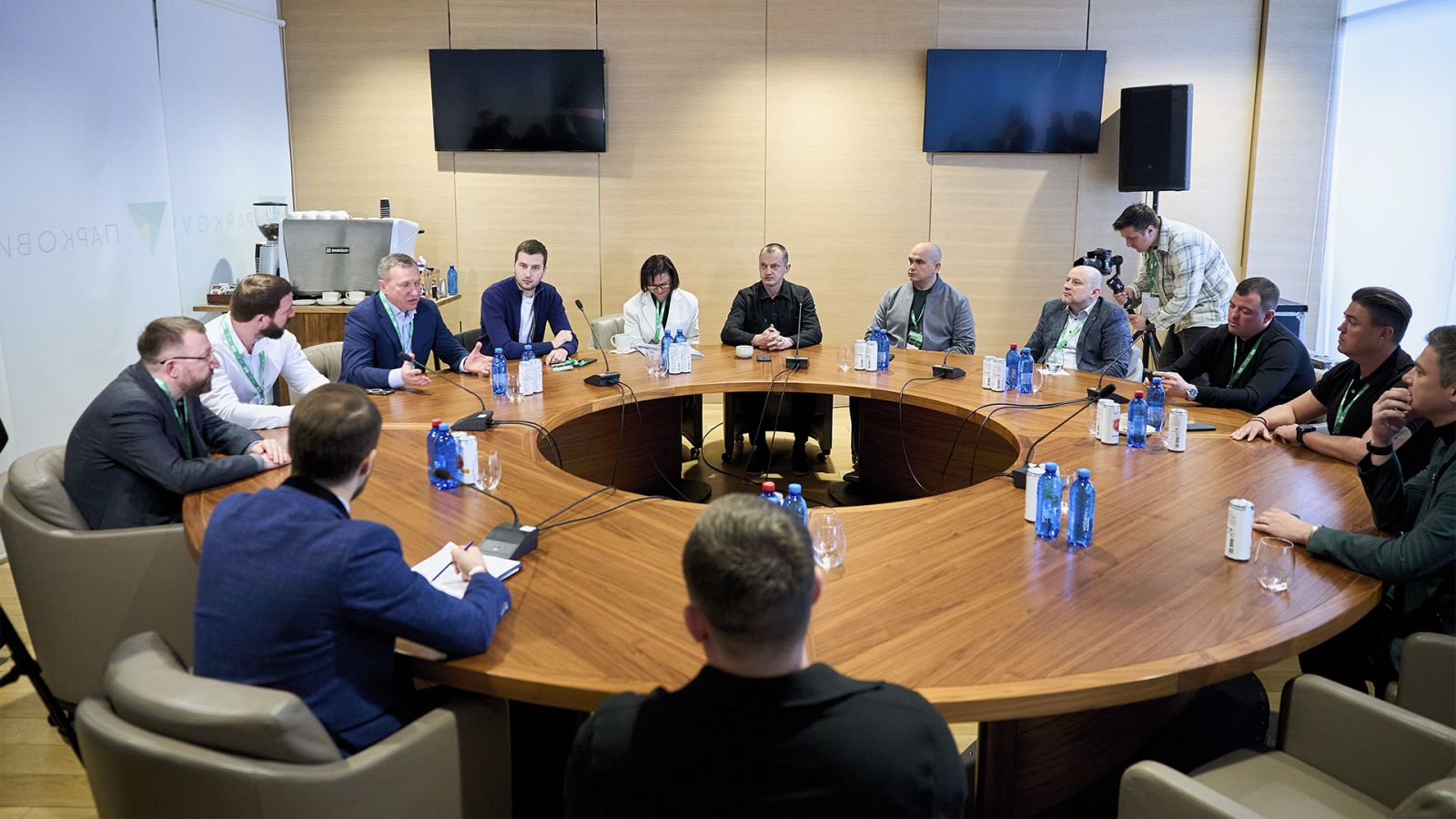
At the same time, the profitability of property development today depends on a balance of key factors: ‘Margin is a combination of product, financing and trust. If one of these elements is missing, the system doesn’t work,’ explained Melnik.
He also emphasised that the market is becoming more segmented, and buyers’ demands more complex. This is noticeable even within a single city, where segments with different logics may emerge, requiring a clear product strategy. It is therefore important for developers to have a clear understanding of their audience and product.
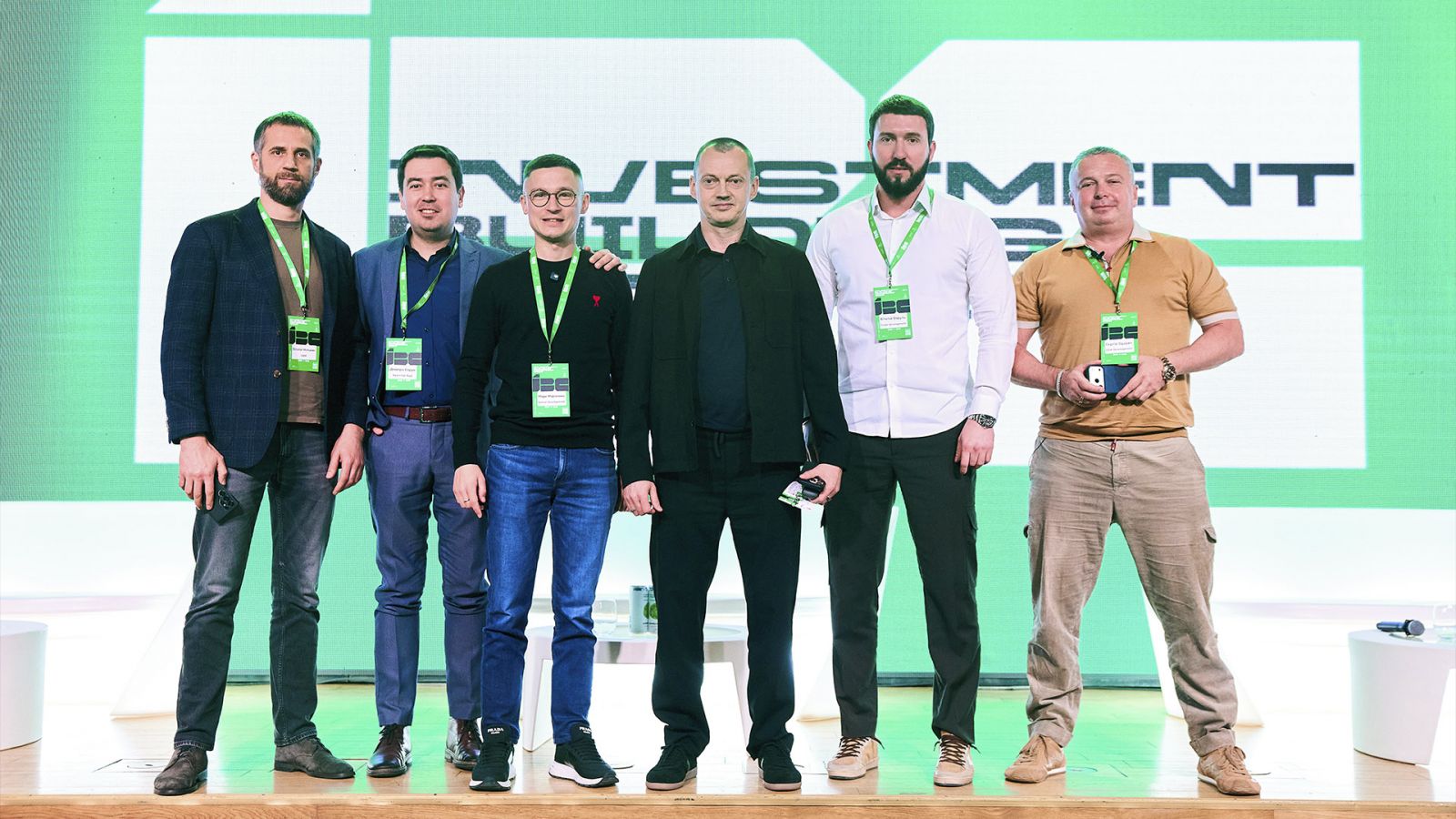
‘There is no single, universal buyer. There are different groups with different expectations. We have focused on the comfort class and moved away from economy class and, to a large extent, business class. At the same time, we have developed our own standard – RIEL Family Style – which we adapt to different cities,’ he added.
He also emphasised that the market’s further development is linked to access to international capital: ‘We are consciously transforming the company – building a transparent structure and preparing to work with international financial institutions. Given the high cost of domestic resources, this is the only way to ensure scaling and stable development.’
RIEL’s Marketing Director, Boris Tsomaia, took part in a panel discussion at the congress on the role of marketing in investment and trust.
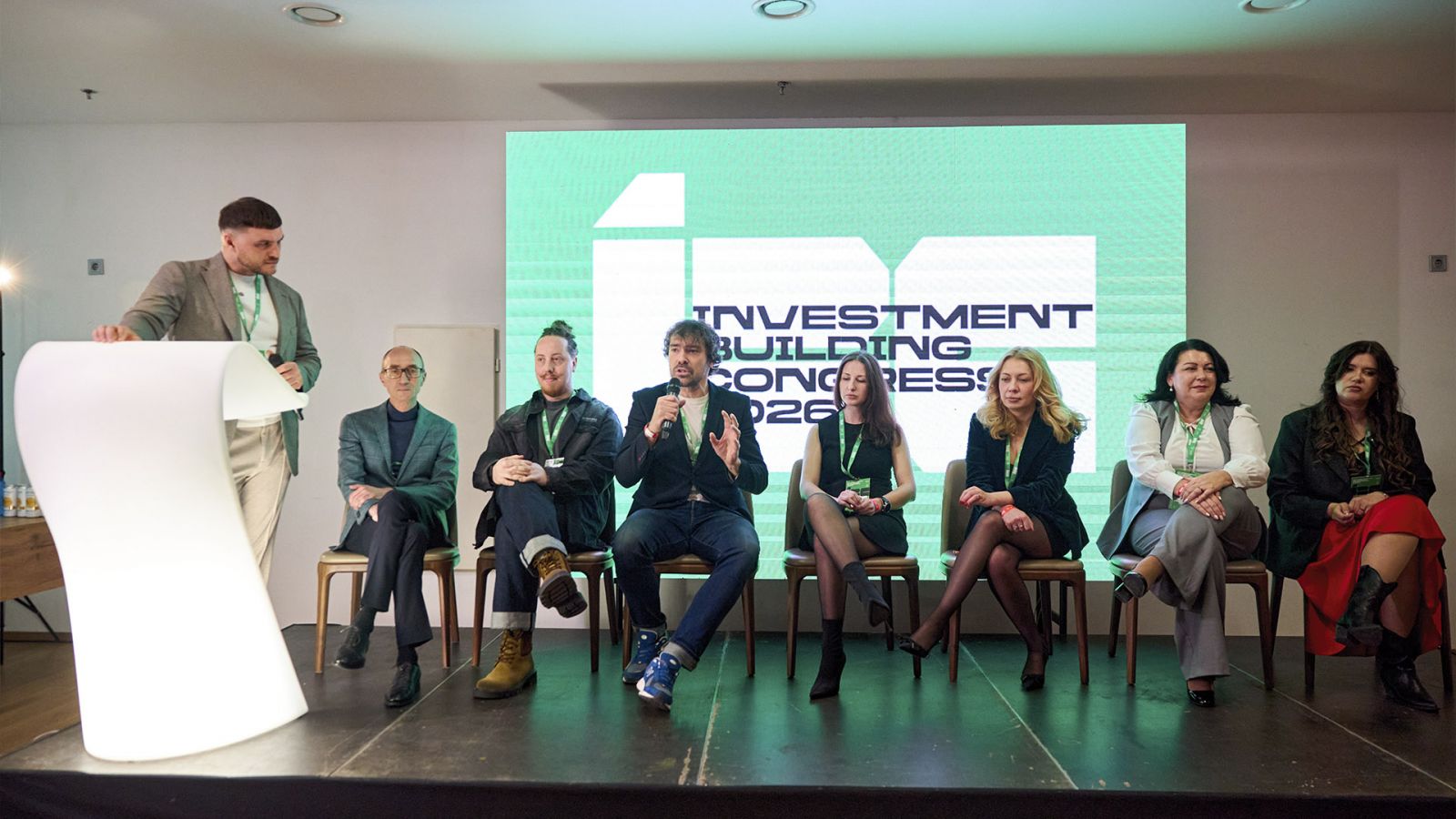
According to him, modern marketing in property development is responsible not only for communication but also for the product itself, and begins with a deep understanding of the target audience.
‘In fact, marketing acts as a quality controller. We cannot allow a product that fails to meet customer expectations to be brought to market,’ explained Tsomaia.
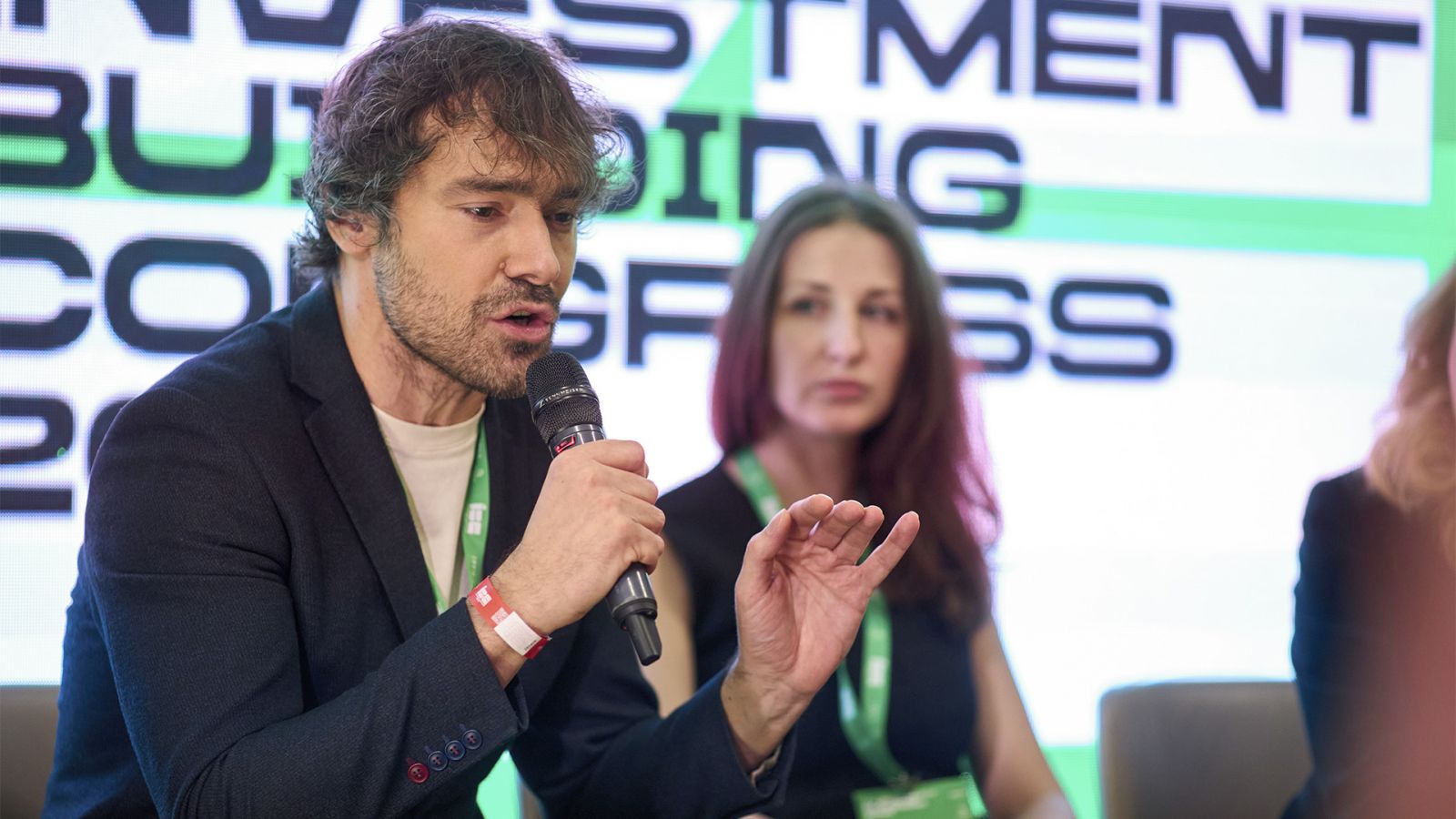
According to him, trust in the brand remains a key factor in investment decisions: ‘People take their first steps where they feel comfortable. That is why we work not only on the product itself, but also on fostering an environment of trust around it’
RIEL emphasises that participation in such events is part of a systematic approach to the market and the development of products focused on long-term value for investors.


