

January 13, 2026
Since 2022, the issue of heating in new buildings has ceased to be merely a technical detail—it directly affects comfort, utility costs, and the sense of energy independence. Buyers are increasingly focusing not only on location or price, but also on the type of heating system, the ability to regulate heat, the presence of meters, and how the building operates under various conditions.
In a report by Channel 24, Artem Sebba, project manager for Maxima Residence, explains why there are no one-size-fits-all solutions, how developers choose between centralized and independent heating, what to look for before buying an apartment, and how approaches to heating and energy efficiency in residential construction are set to change.

The type of heating in high-rise buildings is determined as early as the conceptual design phase and always takes into account the infrastructure available around the future building. If reliable district heating networks are nearby, connecting to the city’s heating system is the logical choice. If such networks are not available but there is access to natural gas, autonomous building boiler rooms are considered, which allow for the control of heat supply and sometimes provide hot water. At the same time, individual gas heating in high-rise buildings in Ukraine is prohibited due to safety risks, and hybrid climate control systems remain niche solutions due to their high cost. As a result, the developer effectively chooses between centralized and autonomous scenarios, based not on marketing arguments but on technical and economic feasibility.
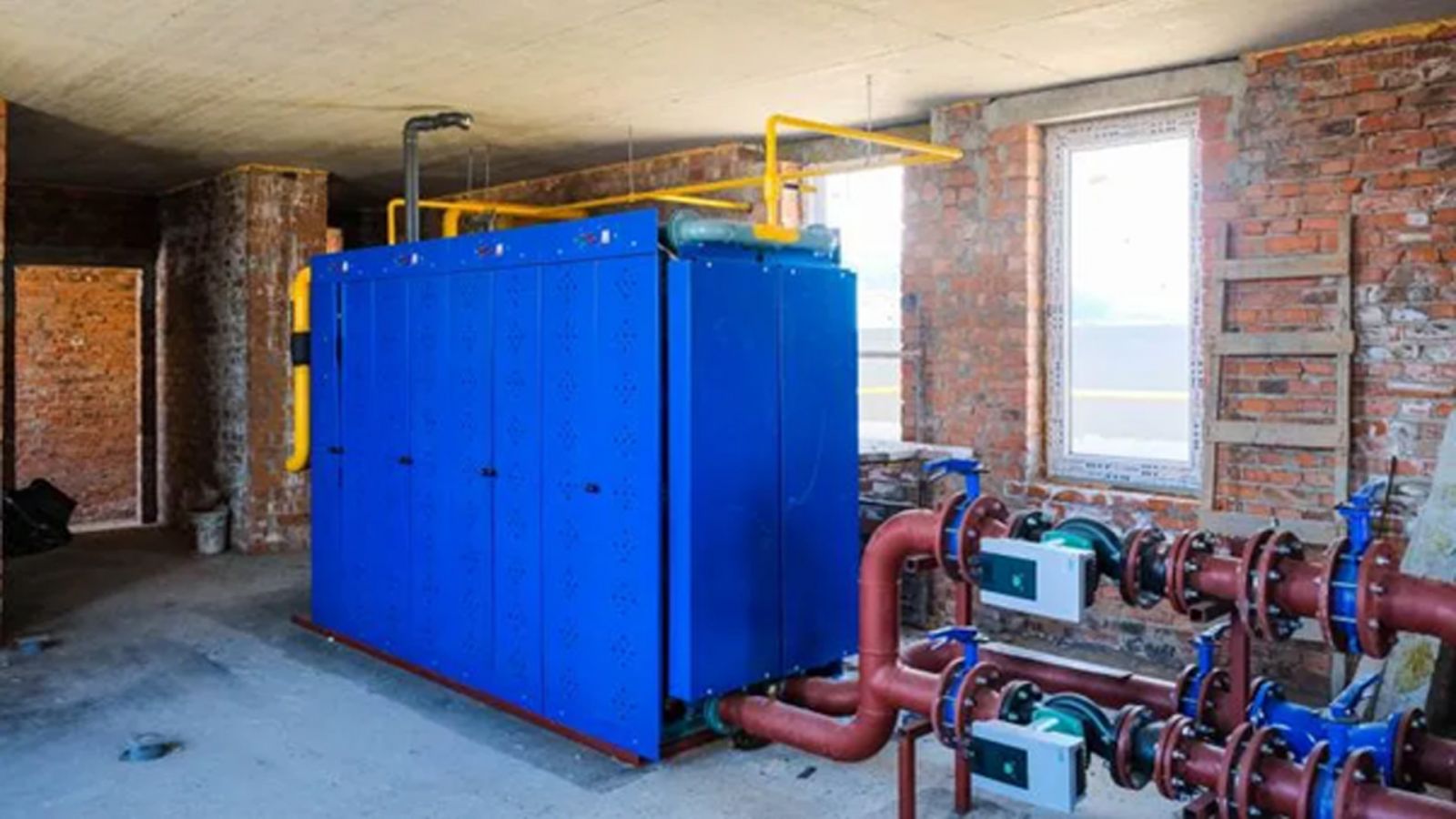
For buyers, it is not only important whether a building is connected to the district heating network or has its own boiler room, but also how the system will function in everyday life. Individual heat meters, thermostat controls on radiators, clear hot water supply schedules, and transparent tariff calculation rules make living there more comfortable and predictable. In buildings with independent boiler rooms, costs can be calculated based on actual costs, giving residents more control, whereas in centralized networks, the city sets the rate. However, today developers are taking a broader view: it’s not just about where the heat comes from, but also how well the building retains it inside. Windows, wall materials, the quality of insulation, and well-thought-out engineering all influence whether an apartment will be warm in winter and comfortable in the off-season—without additional costs or unpleasant surprises.
This comprehensive approach is gradually shaping a new market standard: energy efficiency, autonomy, and controlled heat consumption are becoming more important than the formal name of the heating system. And while individual heating will remain the norm in private homes, in high-rises the future lies with high-quality building systems, modern networks, and competent design. It is these factors that determine real comfort, long-term operating costs, and a home’s resilience to external risks—things that concern buyers today just as much as square footage and location.


