

July 24, 2025
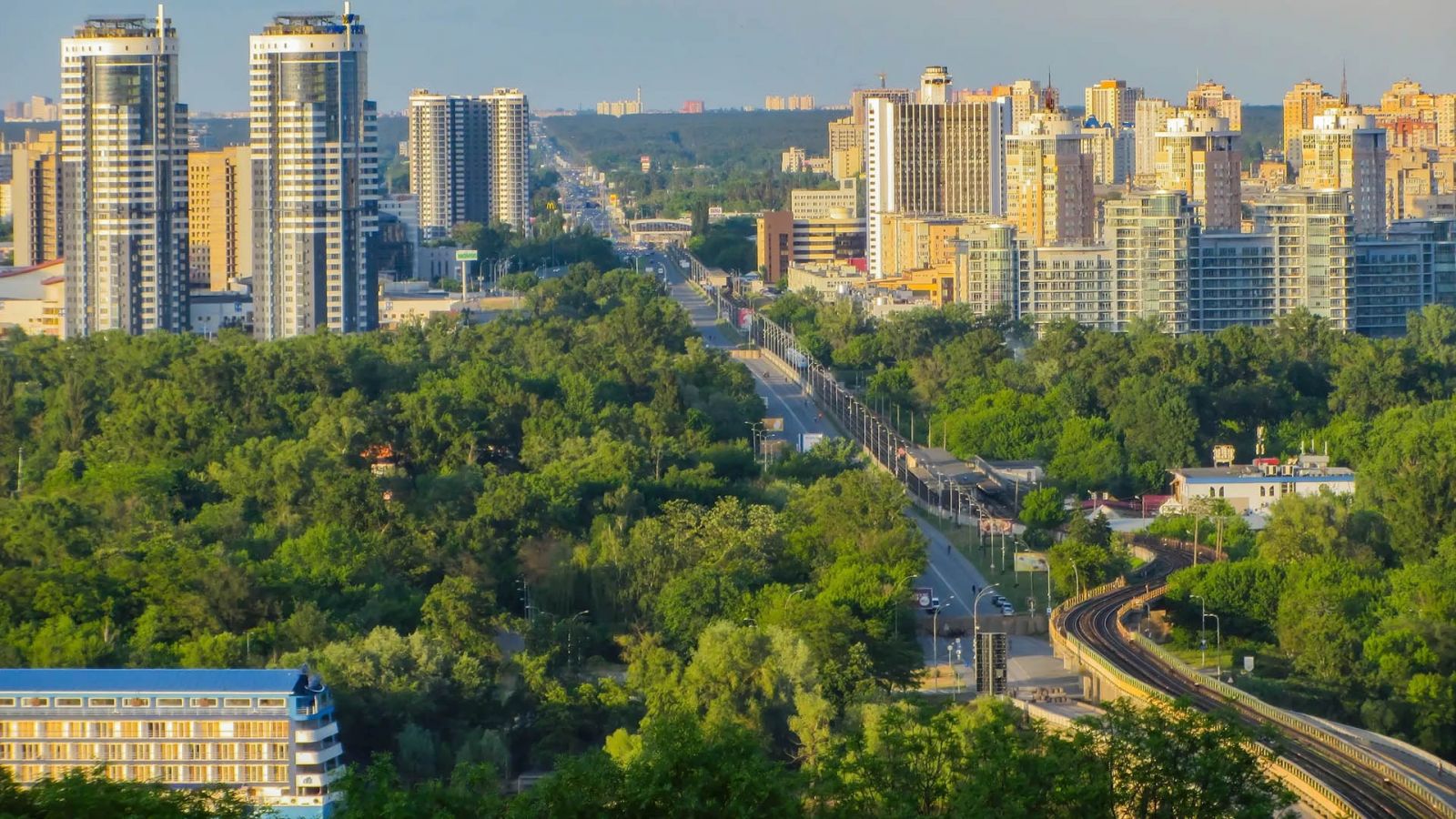
Kyiv’s Left Bank of the Dnipro River has long been associated with residential “sleeping districts” — vast clusters of Soviet-era panel apartment blocks. However, this part of the city is now undergoing rapid transformation, evolving into a modern, comfortable, and technologically advanced urban environment. The once-popular joke that “the Left Bank isn’t really Kyiv” is quickly becoming a thing of the past.
This article explores how the Left Bank has changed in response to new urban living demands — and how developers are adapting to meet them.
The History of Kyiv’s Left Bank
Until the 1960s, the Left Bank was largely rural — dotted with small villages, summer houses, and marshlands. In 1965, Kyiv’s new general urban development plan designated this area as a zone for mass residential construction. Large-scale housing projects began to rise, and the new residents were mostly industrial workers employed on the Right Bank or beyond.
That’s how the area earned its reputation as a “bedroom community” — a place to sleep, not to live or work, as most people commuted daily across the river.

After Ukraine gained independence, the privatization of housing began. Private developers entered the market, launching the first commercial residential projects — though often with little oversight on quality or urban planning. For most people, the main goal was simply to have a roof over their heads. Quantity of square meters mattered more than quality, aesthetics, or the surrounding environment.
By the 2010s, people’s priorities had shifted toward infrastructure: nearby playgrounds, recreational zones, sports facilities, and cultural amenities became key considerations. As lifestyles changed, residents began to value comfort, safety, and local leisure opportunities — eliminating the need to cross bridges daily to the Right Bank.
In recent years — especially after the COVID-19 pandemic — housing preferences have evolved again. The rise of remote work made well-developed infrastructure and proximity to essential services top priorities. The very concept of “infrastructure” has also changed — it now encompasses values such as community, emotion, functionality, and safety.
New Resident Priorities
Across the world, urban planning is embracing a new paradigm aimed at addressing modern challenges — from environmental and economic crises to overpopulation — while improving quality of life.
Today, real estate development is driven by several key human factors:
- feelings of social isolation;
- declining emotional and physical well-being;
- shifting behavioral patterns — families finding it harder to live comfortably in megacities, leading them to either move outside the city or seek more livable urban spaces.
Families no longer want to “live near the center” because of constant traffic jams, parking shortages, lack of green spaces, and overbuilt environments.
Developers are thus asking a crucial question: how can we make cities truly livable?
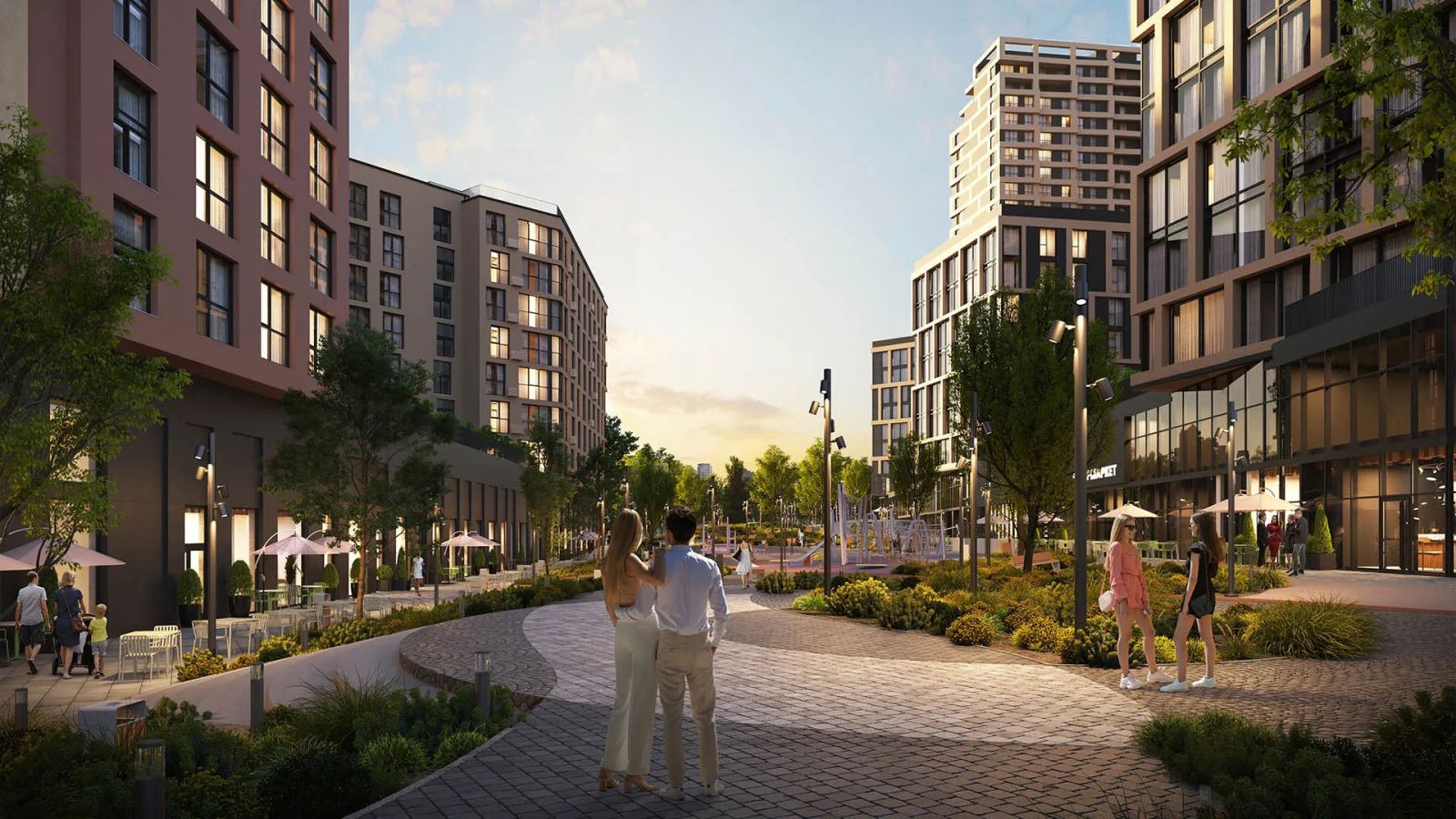
The answer lies in adopting the principles of “happy urbanism” — integrating parks, access to water, positive acoustic landscapes, spaces for communication and community-building, walkability, cycling infrastructure, inclusive playgrounds, and design for all age groups and abilities.
A major focus today is the “15-minute city” concept — where everything one needs for daily life, from schools to cafes, is within walking distance.
Globally, new urban trends are emerging:
- Playable City – viewing the city as a space for play, creativity, and human interaction;
- Neighborly City – fostering community and micro-level social support;
- Sensory City – designing spaces that engage or calm the senses through light, sound, scent, and tactile materials.
How Developers Are Responding
In modern urbanism, infrastructure is no longer a backdrop — it directly defines quality of life.
A striking example of how developers are responding to these new needs is Riel Family Style, a concept within the comfort-class segment that centers on happiness rather than square meters. These projects are designed primarily for families and young couples.
The focus is on creating environments that positively impact emotional and physical well-being. Thoughtfully planned infrastructure meets every need of modern families — from barrier-free access and stroller parking to family-friendly coworking spaces and engaging communal leisure zones.
Riel Family Style developments are inclusive of everyone — from the youngest to the oldest residents, including four-legged family members.
On Kyiv’s Left Bank, the developer RIEL is building two residential complexes — Brother and Sister — both designed according to the Riel Family Style philosophy.
What Makes the Sister and Brother Complexes Special
Brother Residential Complex is oriented toward young families and active residents who value community and social interaction. Its central feature is a pedestrian promenade that connects residents and serves as the “living artery” of the neighborhood.
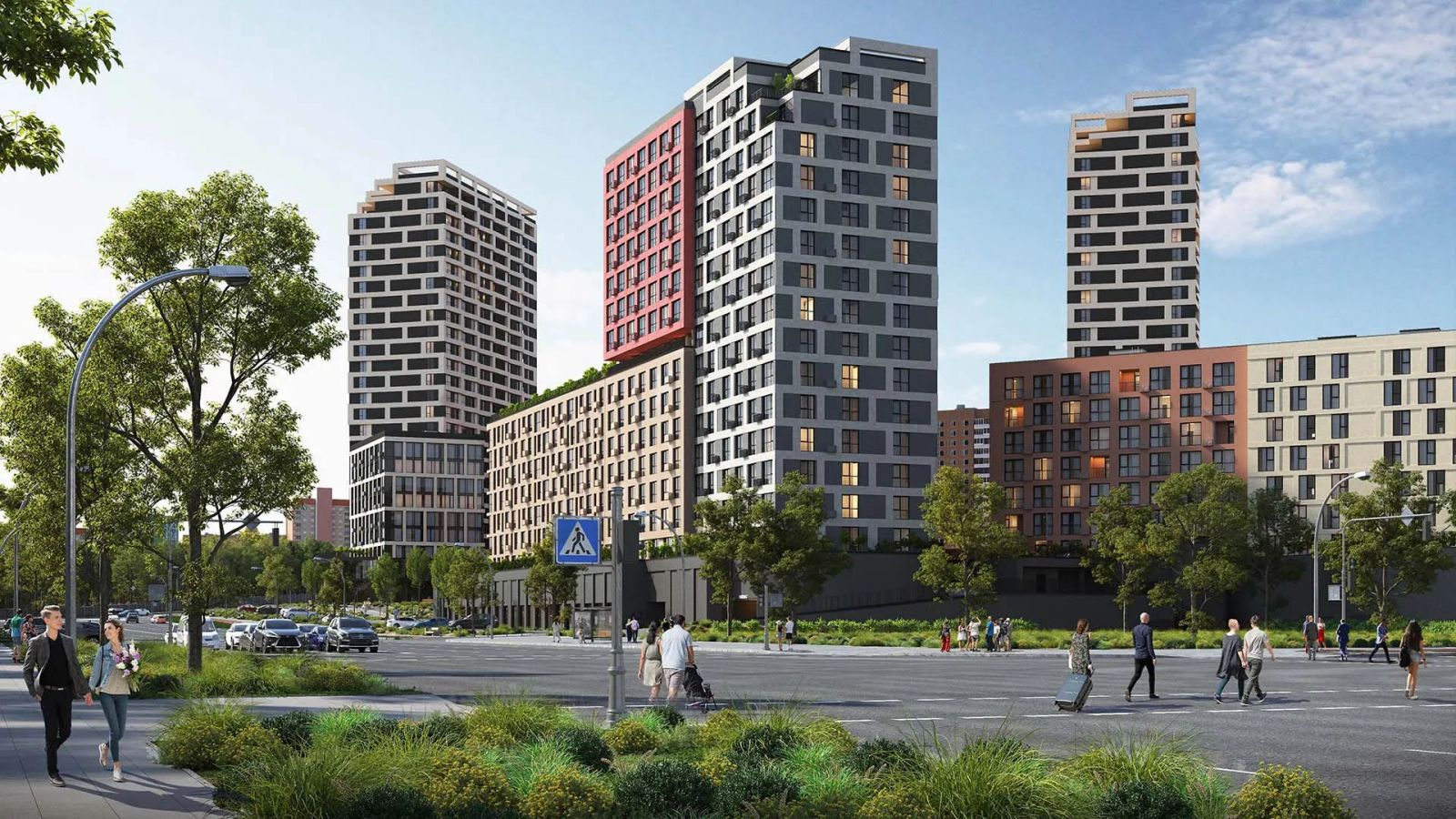
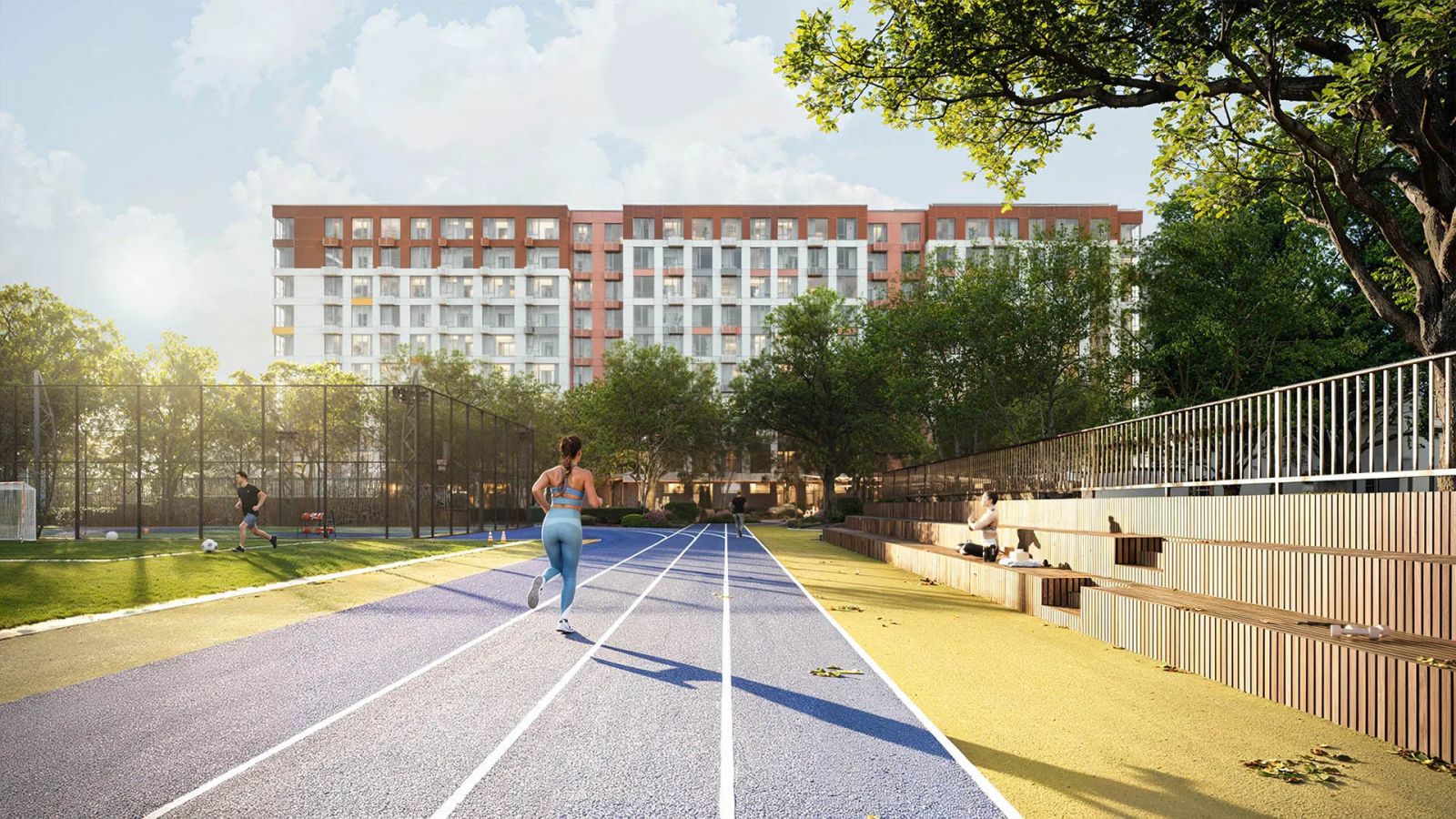
Sister Residential Complex is ideal for families seeking balance between activity and privacy. Inside the courtyards are cozy themed zones for relaxation — including areas for sports, gardens, yoga, and both open and enclosed playgrounds.
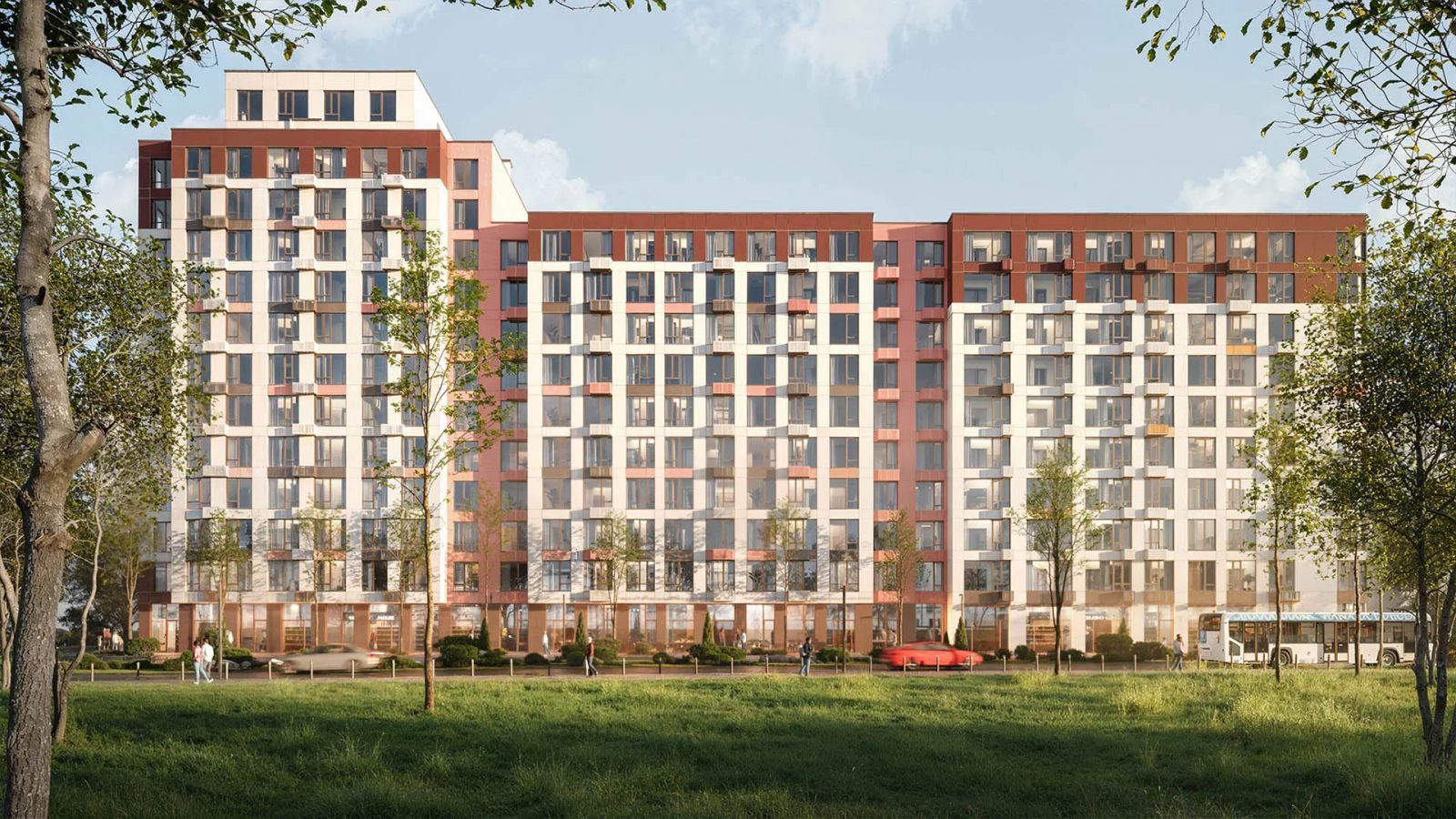
Brother features dynamic architecture: buildings ranging from 8 to 16 stories alternate with 9-story sections along the central promenade lined with cafes and relaxation spaces. Sister, in turn, will have buildings from 9 to 24 stories tall.
Both developments belong to the comfort-class category. Each will include underground and guest parking. Buildings will be equipped with smart security starter kits from Ajax Systems.
Along the Brother promenade, residents will find cafes, a supermarket, playgrounds, and recreational zones for all generations. The complex will also feature a kindergarten and an active courtyard with a TRX zone, climbing wall, and sports facilities.
Sister will include its own school and kindergarten, as well as car-free courtyards, ideal for walking and safe play.
Brother is located near Lake Sonyachne and will feature green zones throughout, while Sister is being built close to the Dnipro River waterfront — offering a tranquil and scenic environment.
The Future of the Left Bank
Ukrainians’ evolving housing preferences are directly shaping the real estate market. RIEL’s systematic approach exemplifies this trend — offering not just comfortable housing, but environments where residents can truly enjoy life.
The Left Bank is no longer the past — it’s the future of Kyiv’s modern, livable urban landscape.
And development itself is no longer merely about construction — it’s about responding to the real needs of people today.


