

September 01, 2025
Today, urban planning philosophy is undergoing a real transformation, and in Ukraine this change is particularly significant due to the war, which has radically changed the needs of residents. Safety, comfort, and care have become the main criteria for choosing a home, and architecture has become an important factor in personal happiness. Developer RIEL is responding to these new challenges with the Riel Family Style concept—a systematic approach to creating urban space that takes into account both safety and people's emotional well-being. For more details, see the Forbes BrandVoice article.
How the philosophy of urban development is changing
For decades of industrial development, the main task of cities was to accommodate as many residents as possible and provide them with jobs. Today, urban space is already competing for people. City dwellers are no longer tied to a specific location—they choose where to live, work, and raise their children. And the basis of the new philosophy of development is quality of life.
“The challenge of retaining the population has come to the fore, because people now have the freedom to choose: a house, a neighborhood, a city, or even a country,” says Hryhorii Melnychuk, dean of the Faculty of Architecture, Construction, and Design at KAI.
This challenge is relevant for all countries with post-industrial economies, but it is particularly acute in Ukraine, where the war has forced thousands of people to change their place of residence. Some of them chose smaller communities, where they found that life was not only safer but also more comfortable, with less time spent commuting, better access to services, and closer social ties.
At the same time, most development projects in Ukraine are still focused on short-term profits. Architect Viktor Zotov, founder of ZOTOV&CO, the Urbanism Office, and the CANactions International Architecture Festival, emphasizes: "I don't call these mistakes on principle. It's a question of values. The goal of business is to make money. But these goals don't always match the values of long-term development." In his opinion, it is value priorities that determine whether a city will be convenient, accessible, safe, and, ultimately, happy.
One of the main conditions for human happiness in a city is safety. This is a basic prerequisite that appears first in all global quality of life indices. And while this concept was previously perceived as social stability or environmental safety, for Ukrainians it has taken on a literal meaning: the protection of life and health, Zotov emphasizes.
The quality of urban life is also significantly influenced by the openness of space. This is most felt by teenagers and women, says Hryhorii Melnychuk, who use street space and local services more often, having more social connections within their neighborhood.


In response to these challenges, the concept of Happy Planning is gaining popularity in urban planning. It is a philosophy of designing living spaces that focuses on the well-being of residents: their everyday comfort and emotional state. This approach takes into account the real-life scenarios of residents, creates spaces for a fulfilling everyday life, and provides a balance between individual and social space, where it is possible to be alone or, conversely, to socialize. Great attention is paid to the humanity of the environment, which provides a sense of care and security. This practical methodology is increasingly being used in the development of strategies and projects. “We use this logic in our projects,” explains Viktor Zotov. “Happiness as a category is broken down into dozens of small criteria, which become the basis for architectural solutions.”
Space that heals
The war has also brought the issue of internal resilience to the fore. People are looking for an environment that allows them to recover, reduce anxiety, and not lose themselves in conditions of constant stress. Architecture can play a therapeutic role.
Psychologist Anzhela Dotsyuk emphasizes: “The space in which we live directly affects our emotional state, level of anxiety, and sense of security. The human brain constantly reads signals from the environment: shapes, colors, light, noise, layout. This either regulates our nervous system or overloads it.”
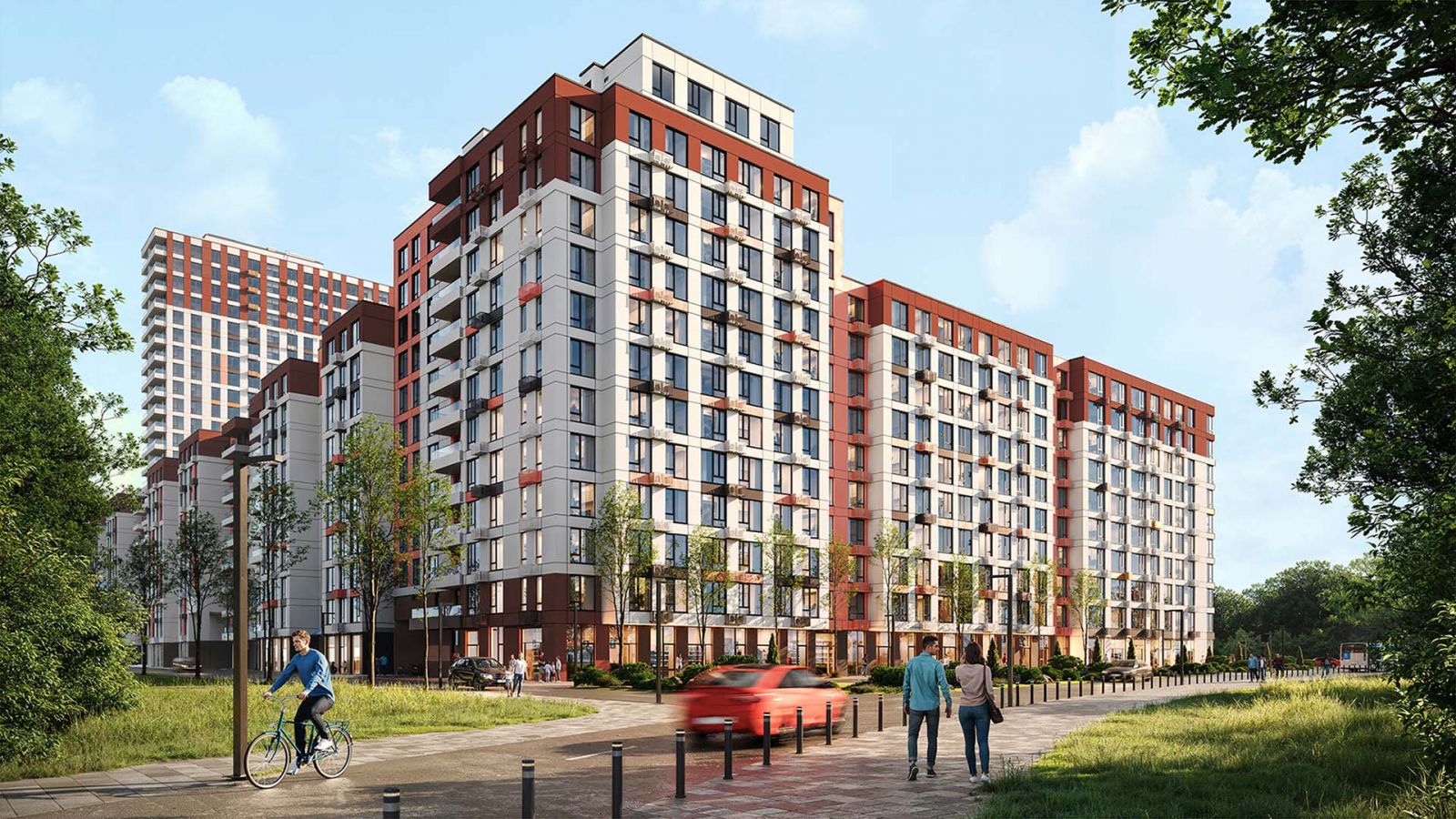
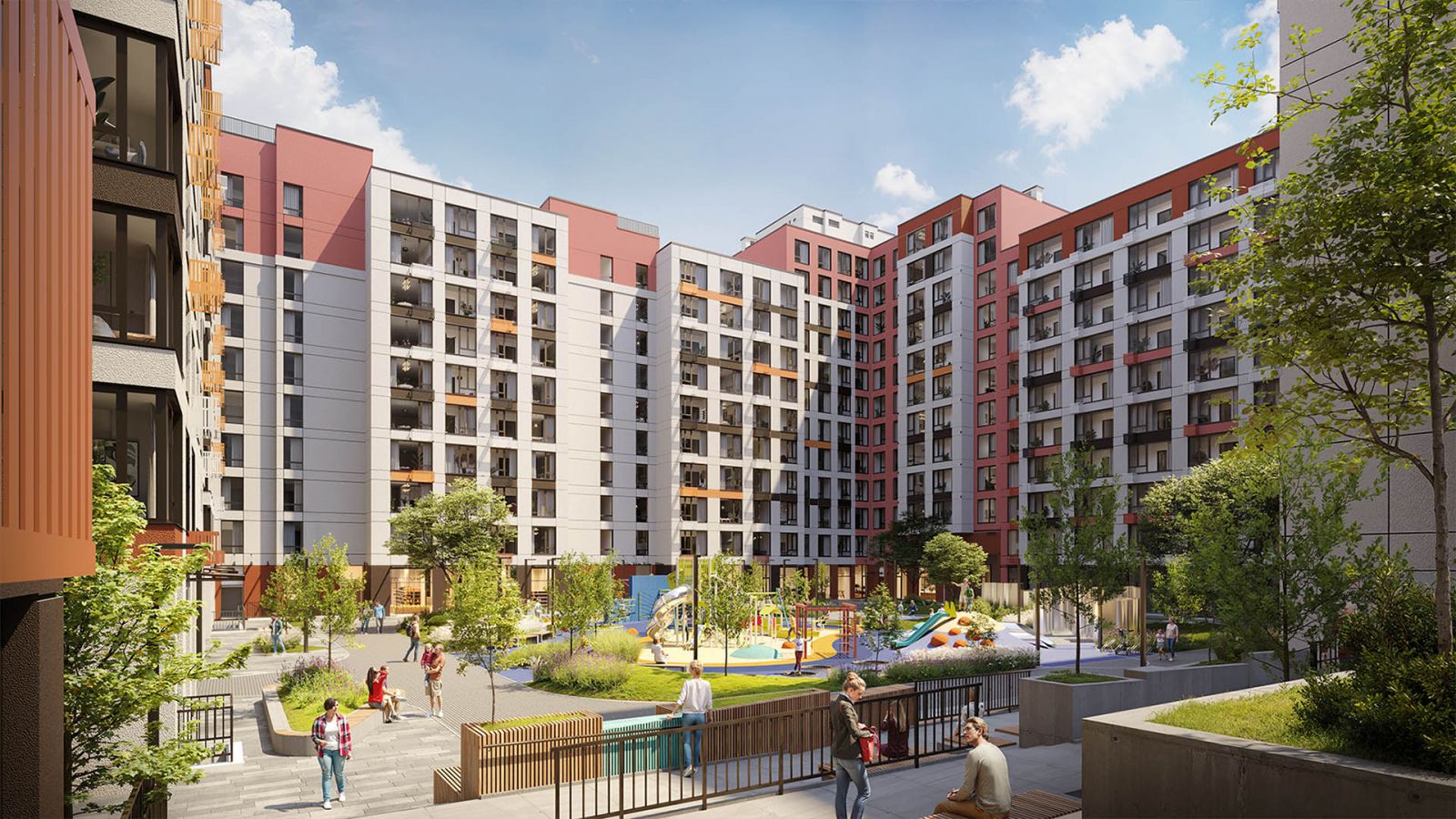
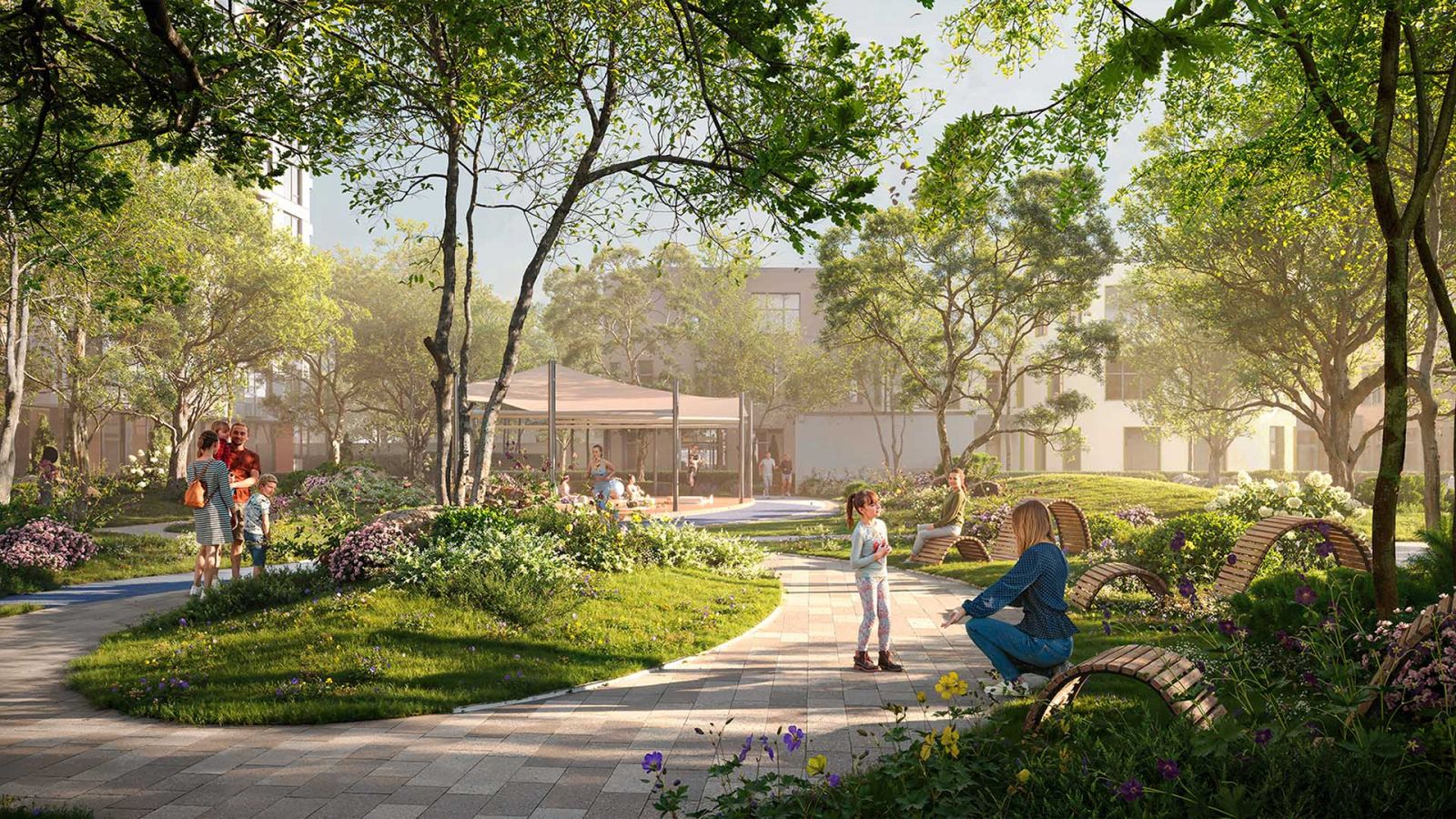
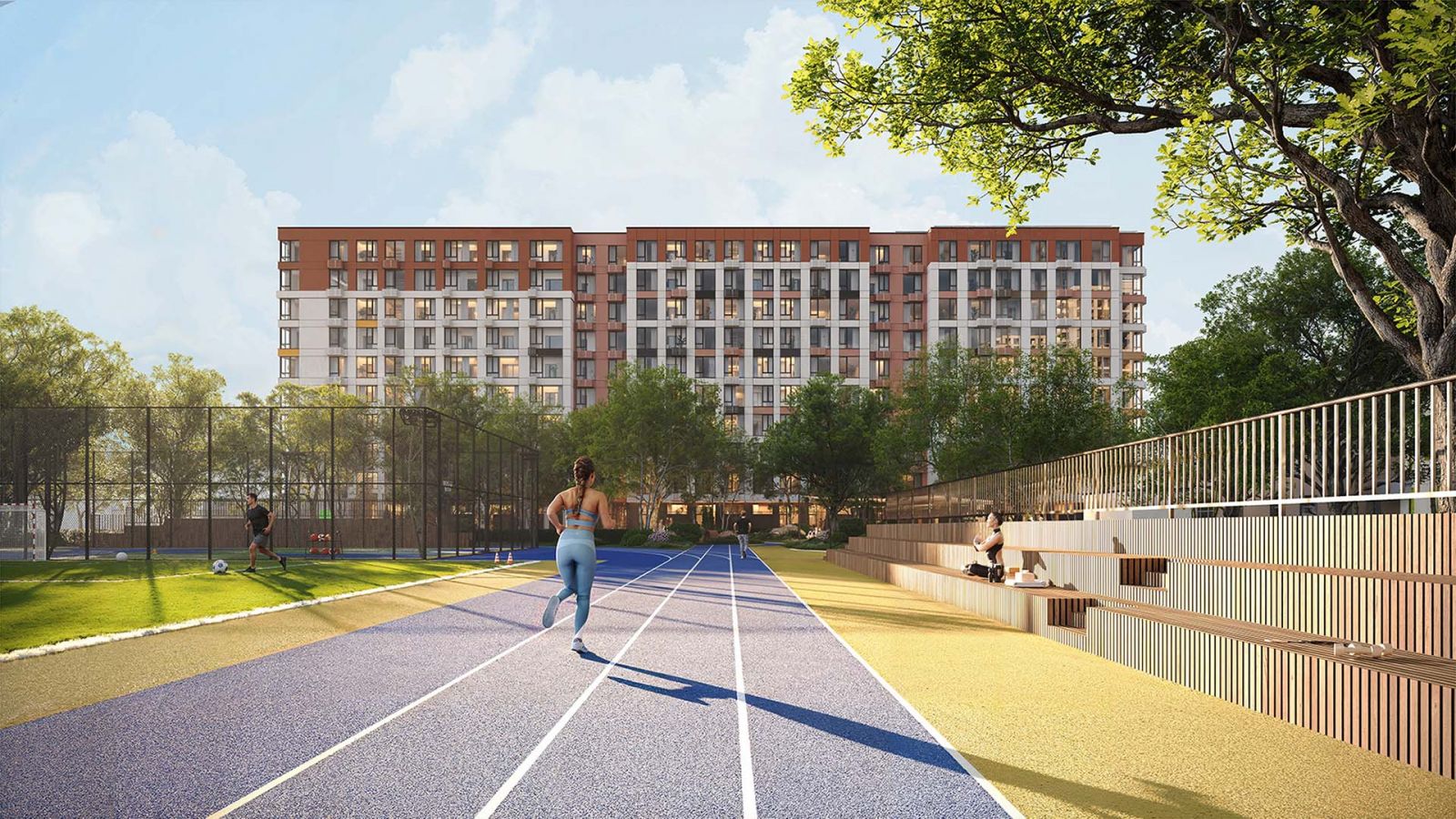
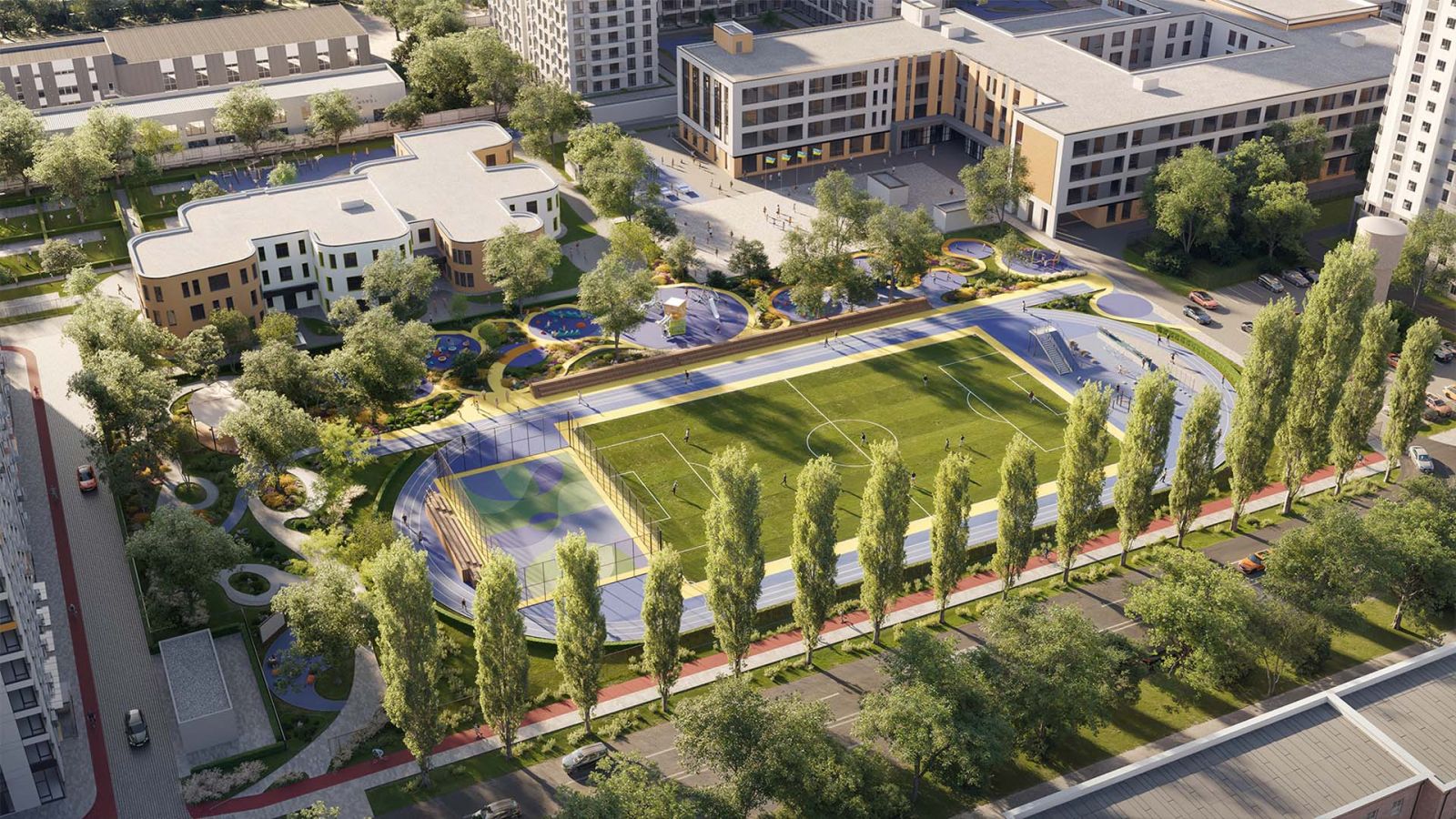
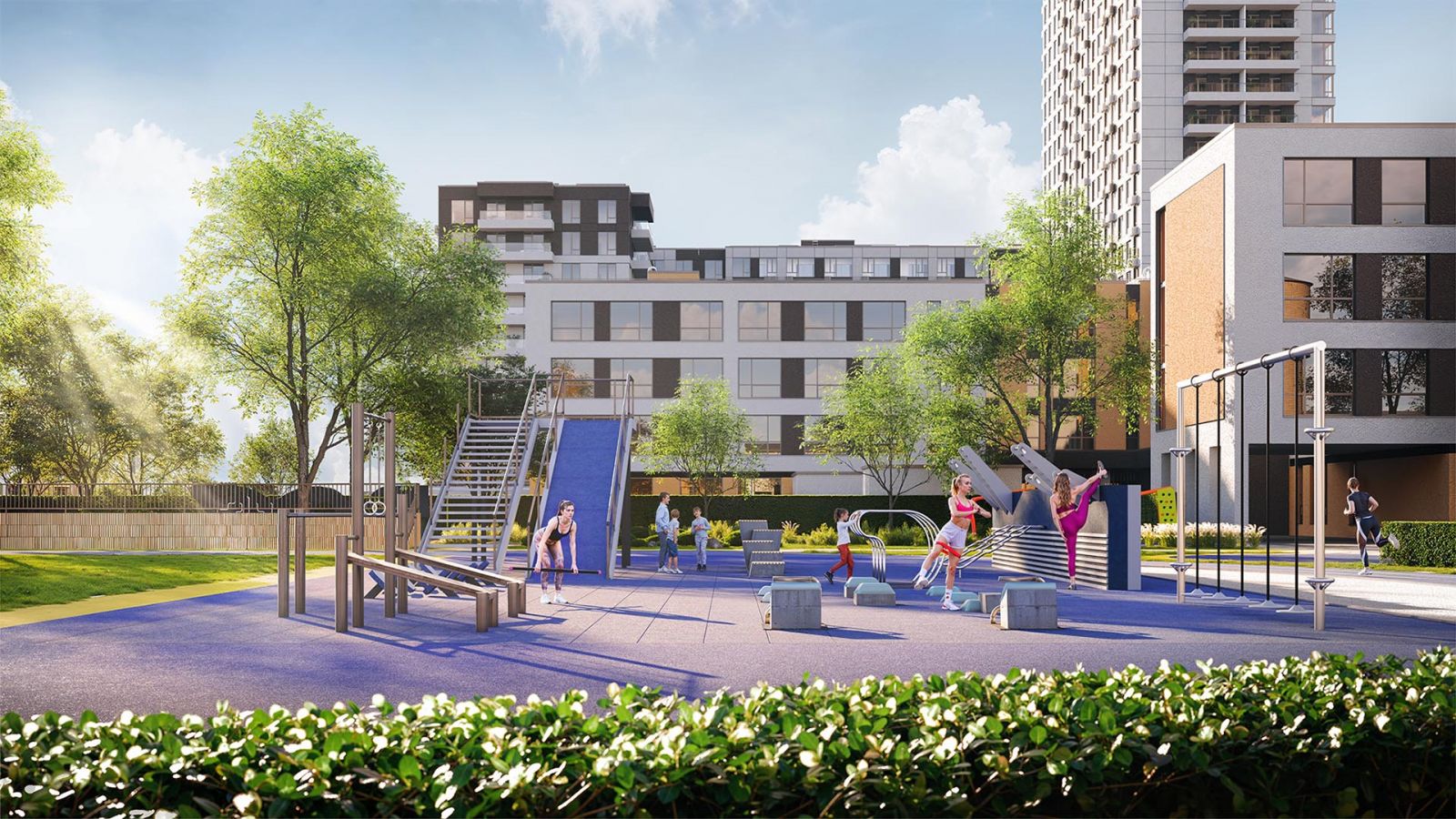
The need for stress-reducing architecture has become a necessity for Ukrainians. Spaces with natural lighting, ventilation, clear structure, warm textures, and colors create a sense of control and grounding that is so lacking in big cities. These are unique micro-ecosystems of safety that stabilize biorhythms, reduce sensory overload, and stimulate action.
At the same time, a city that does not allow for solitude or spontaneous contact with others increases anxiety and feelings of loneliness. According to psychologists, this is especially true for young mothers, one of the most vulnerable groups in the urban environment. “If the environment does not take this period of a woman's life into account, it increases her isolation. A woman feels constricted in this environment, as if she were imprisoned,” notes Anzhela Dotsyuk.
A therapeutic city is a city that breathes. It alternates between areas of quiet and activity, has places for rest, communication, and solitude, and instead of aggressive advertising, it has living facades, squares, and trees. Most importantly, it has a sense of care. “It's not just about comfort, but also about mental ecology,” concludes the expert.
Why do city dwellers need social connections?
Modern architecture has long gone beyond forms and facades. In an era of hyper-urbanization, war, and constant anxiety, the communities that arise around places of residence become the key to preserving a person's inner resources.
Anzhela Dotsyuk describes this as an “invitation to life”: “It creates a sense of connection, participation, and belonging to life. And in this way, it reduces the level of isolation and anxiety.”
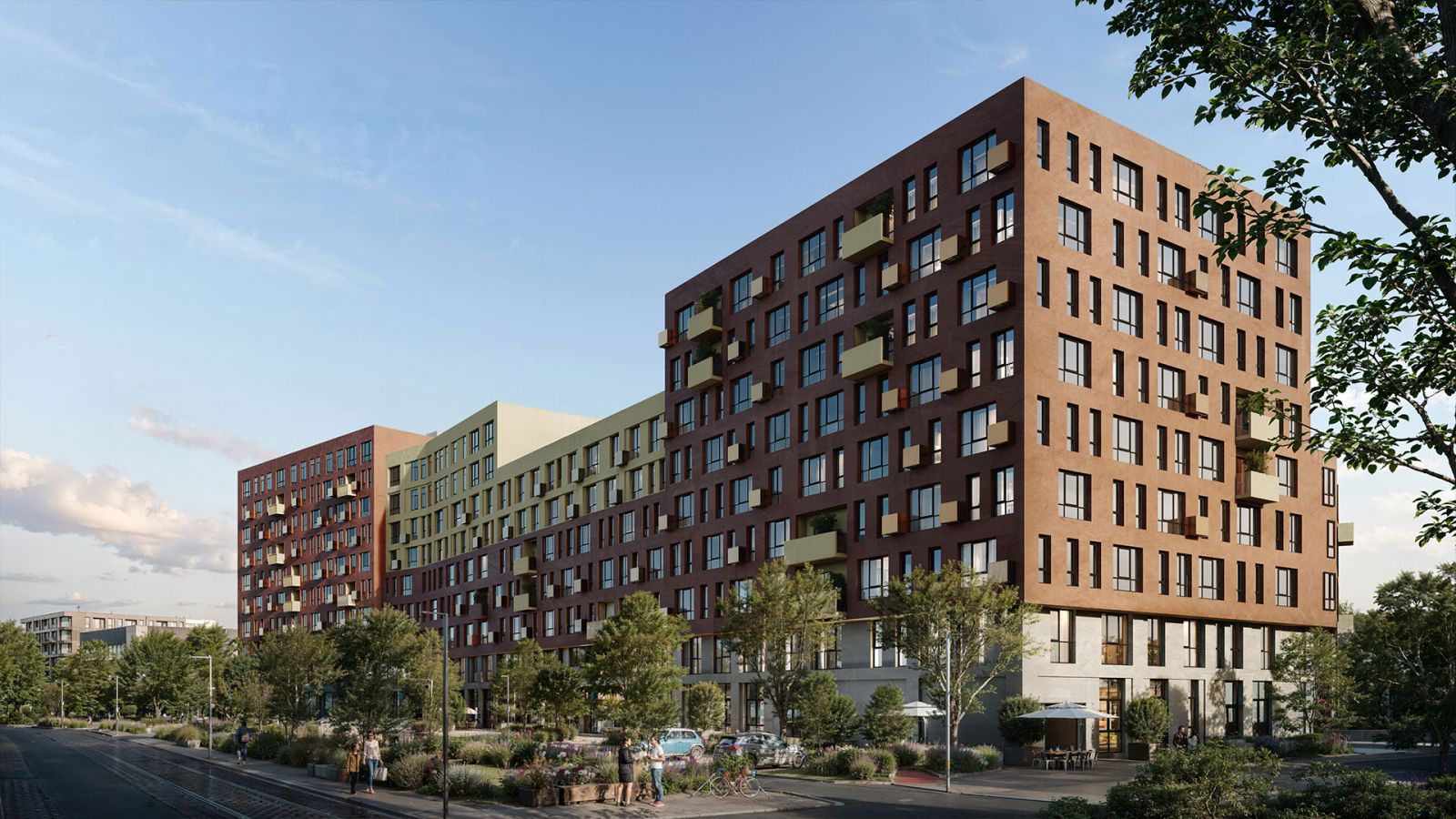
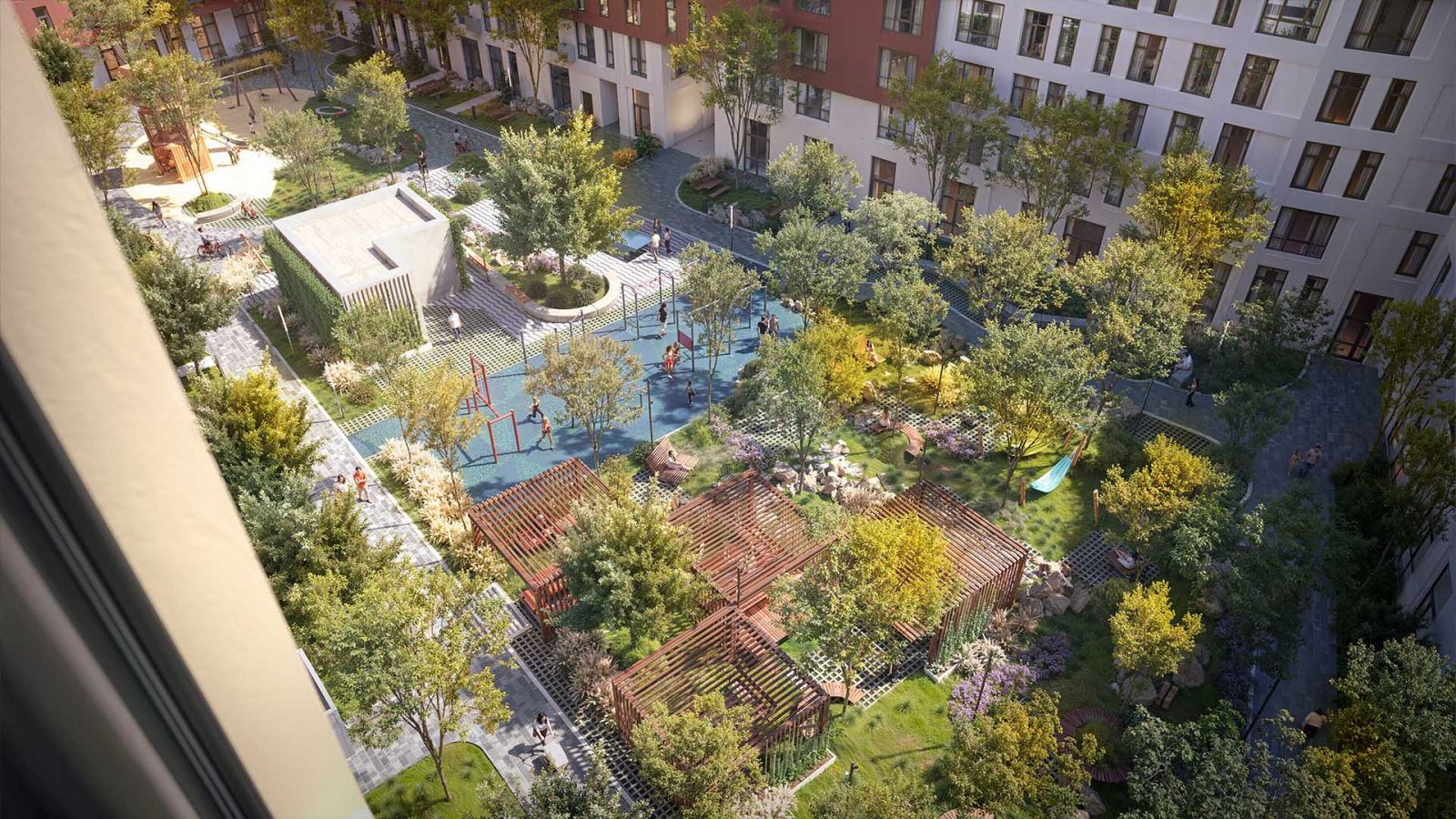
According to Viktor Zotov, social ties manifest themselves even in such seemingly purely functional things as condominium associations: “Even in the example of my own relatives and acquaintances, I have seen how changes take place, how real relationships between people change.” This is an example of how planning and managing space creates conditions for trust, joint decisions, and respect.
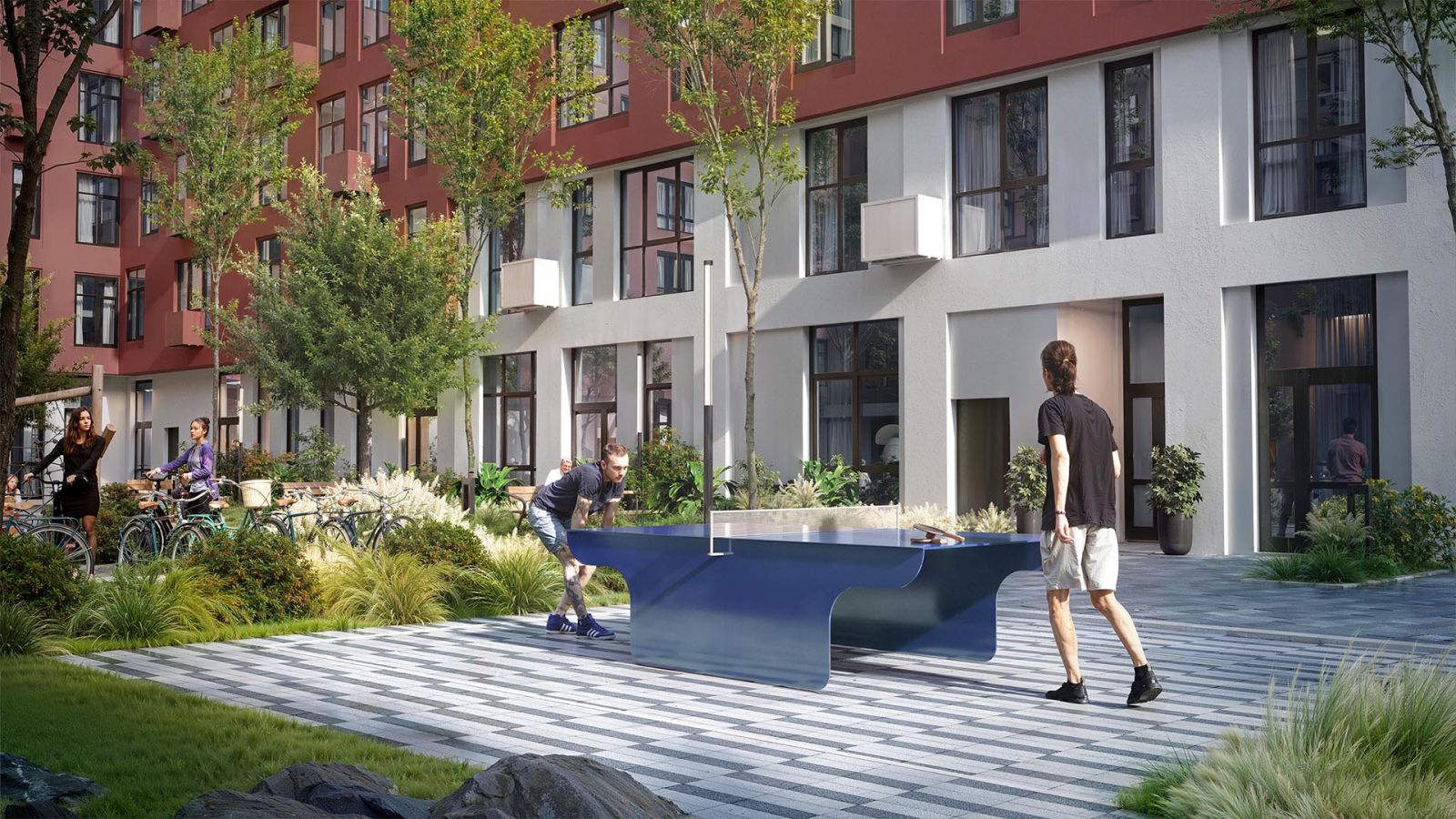
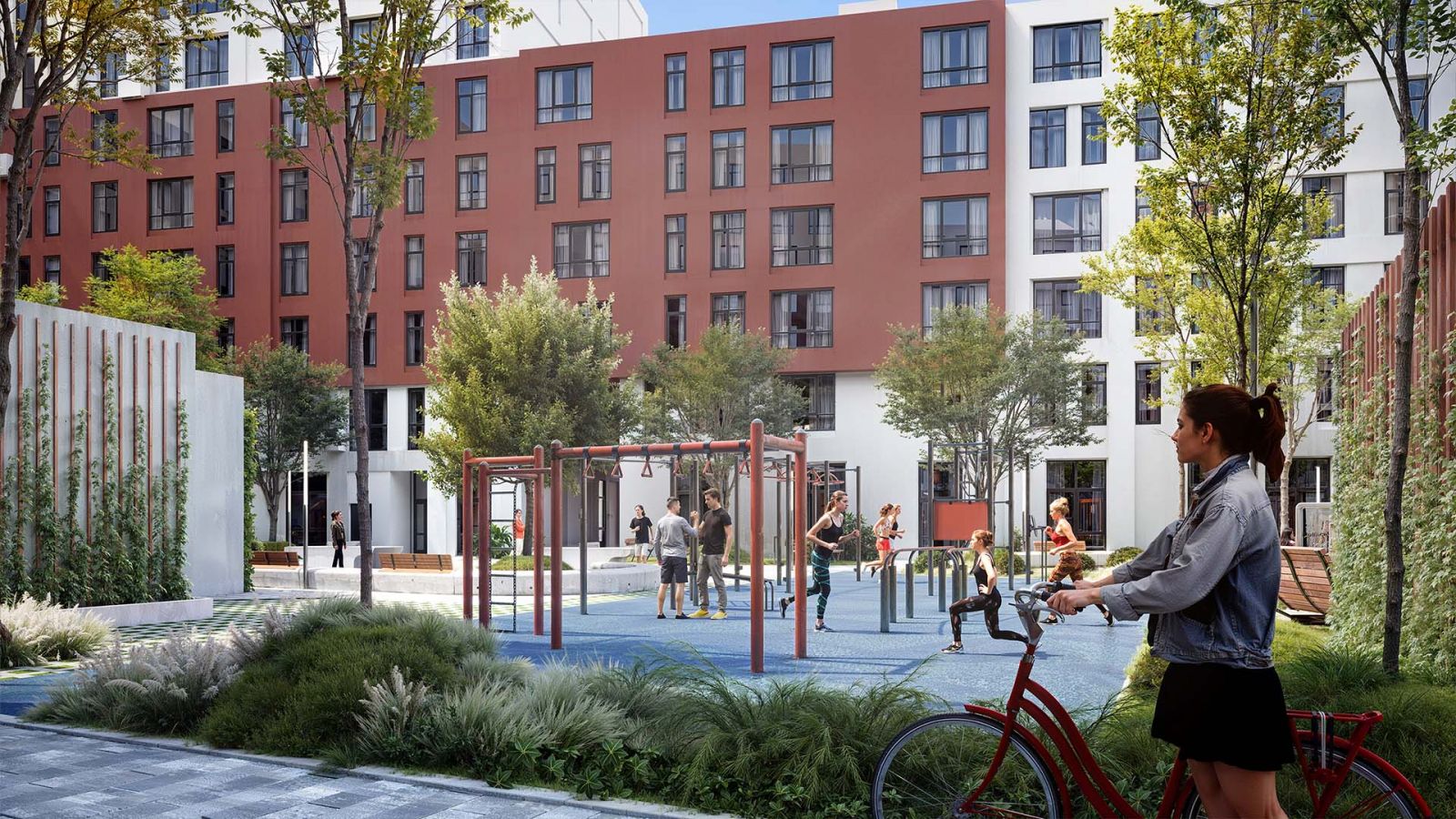
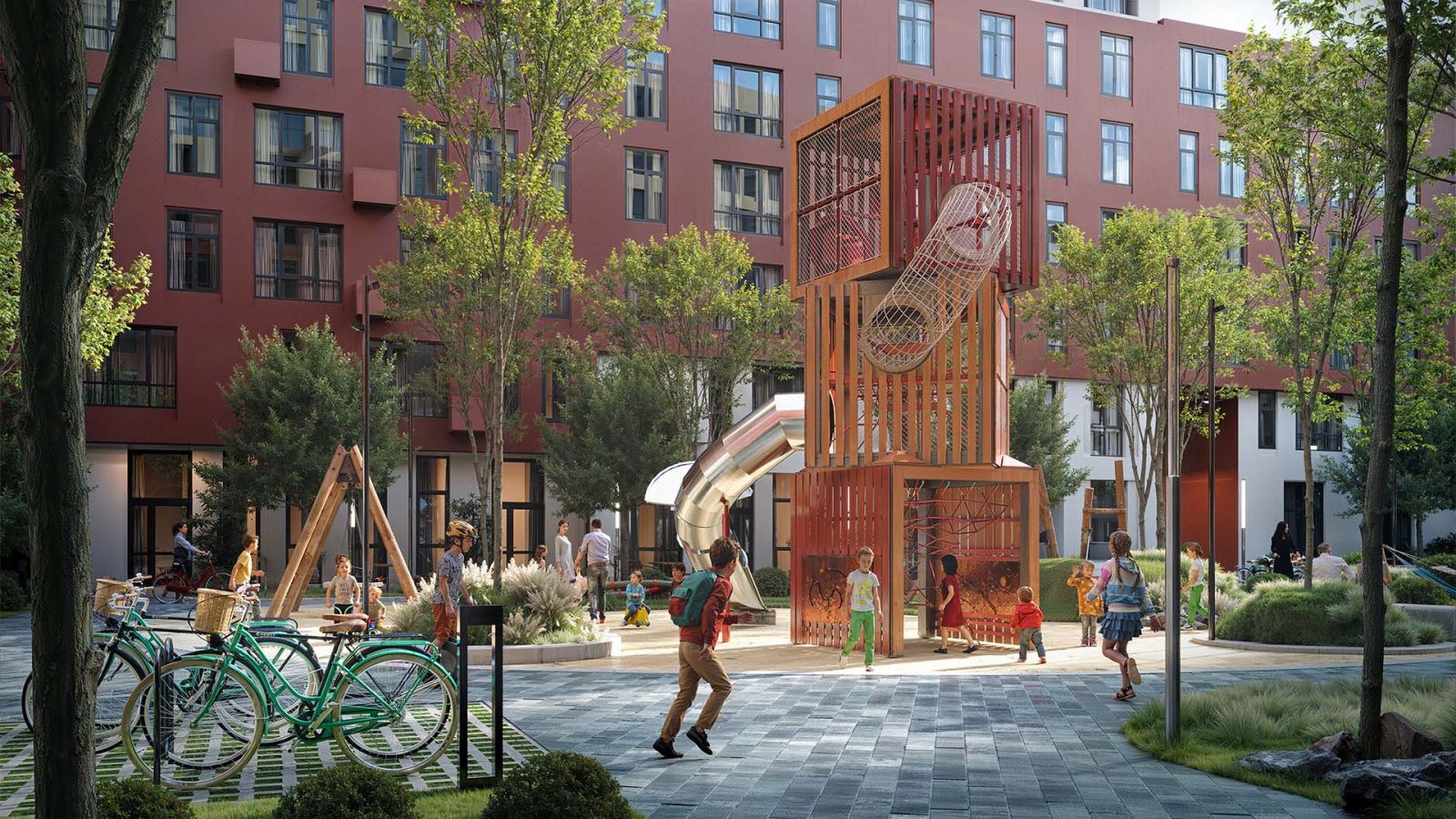
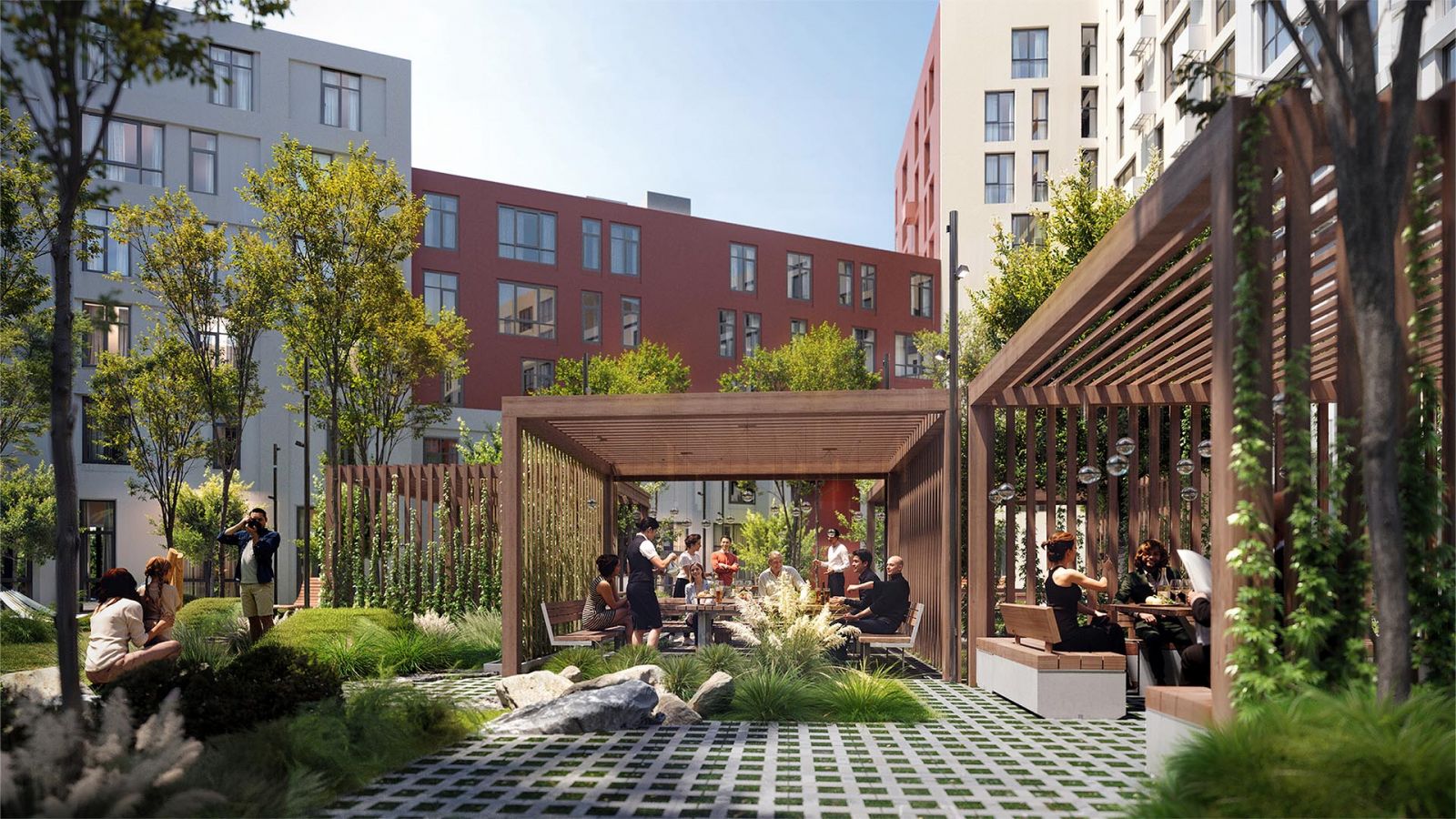
In a friendly urban environment, new social scenarios emerge: informal coffee shops in courtyards, shared spaces that allow people to be together without forcing them to do anything. “These can be coworking spaces, barbecue areas, playgrounds, and so on. They do not oblige people to interact directly, but they create opportunities for it,” says Dotsyuk.
Grigory Melnichuk emphasizes that architecture and planning should become a tool for creating streets and buildings, which, in turn, should become the infrastructure of happiness. Community and connections are at the heart of this approach and determine whether people want to return home.
Riel Family Style – architecture with family values
When choosing a new home, Ukrainians are increasingly paying attention to the surrounding space and choosing one that takes into account their daily habits, psychological needs, and social connections. This demand is met by the Riel Family Style concept, which the developer RIEL has developed and is already implementing in the Brother and Sister residential complexes in Kyiv and in the Father residential complex in Lviv.
The idea was born from a critical analysis of the modern city: its fragmentation, the emotional isolation of its residents, and the lack of environments where people can be with others without losing themselves.
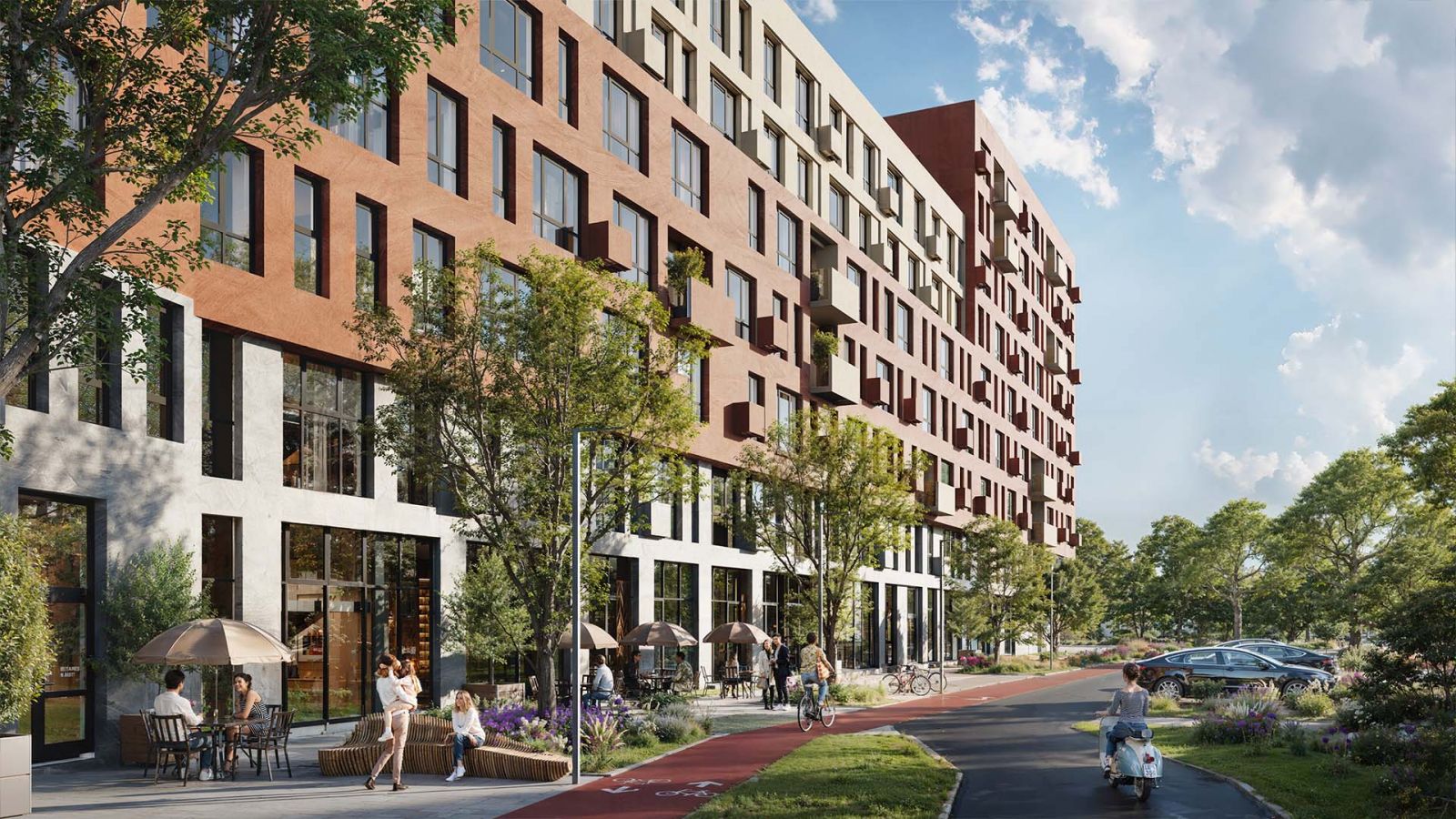
The concept envisions compact urban development where the quality of the social environment is a priority. Each property within the Riel Family Style has its own name, logic of interaction with the environment and residents. In the Brother and Sister residential complexes, these principles are implemented through cozy courtyards, short-distance infrastructure, spaces for children and adults, areas for solitude, and places for shared leisure. “We are building a space where you can feel at home even before you enter your apartment,” says the developer.
This approach focuses on everyday life scenarios. Riel creates a logic of movement for residents: from a cozy courtyard to the entrance, then through the lobby to the elevator and apartment. Comfort, safety, tactility, and emotional recognition are priorities throughout.
The innovative approach lies in creating its own classification within the comfort class. It is based on new requirements for service, architecture, zoning, branding, and project identity. “We want residents to be proud to live in Father, Brother, or Sister as a key element of their lifestyle,” adds Valeria Timotievich, external creative partner at RIEL and CEO of Volta Buro, part of the Fedoriv Group.
Some decisions within Riel Family Style are difficult to implement. These include, in particular, giving priority to pedestrians over cars, multi-level zoning, and spaces for residents' leisure activities. But the developer is committed to implementing them, even if it means reducing commercial space. “We are deliberately sacrificing some commercial space to create an environment where residents can interact comfortably,” emphasizes the developer.
The company plans to scale the format as an internal standard for its entire real estate portfolio in the comfort segment. Each of its properties is a separate story of one big family that is building a new quality of urban life.


